Ergonomic Office Chairs

View










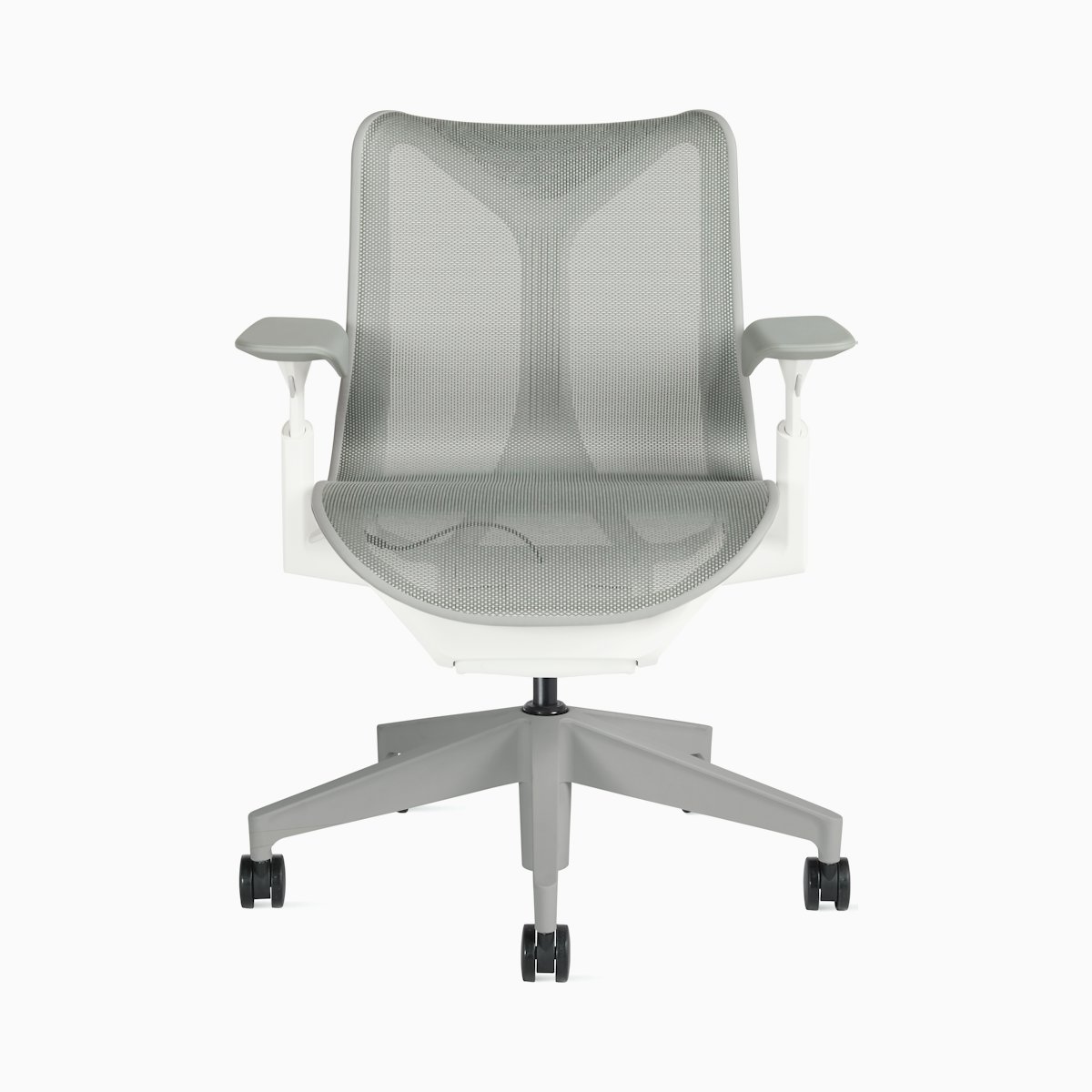

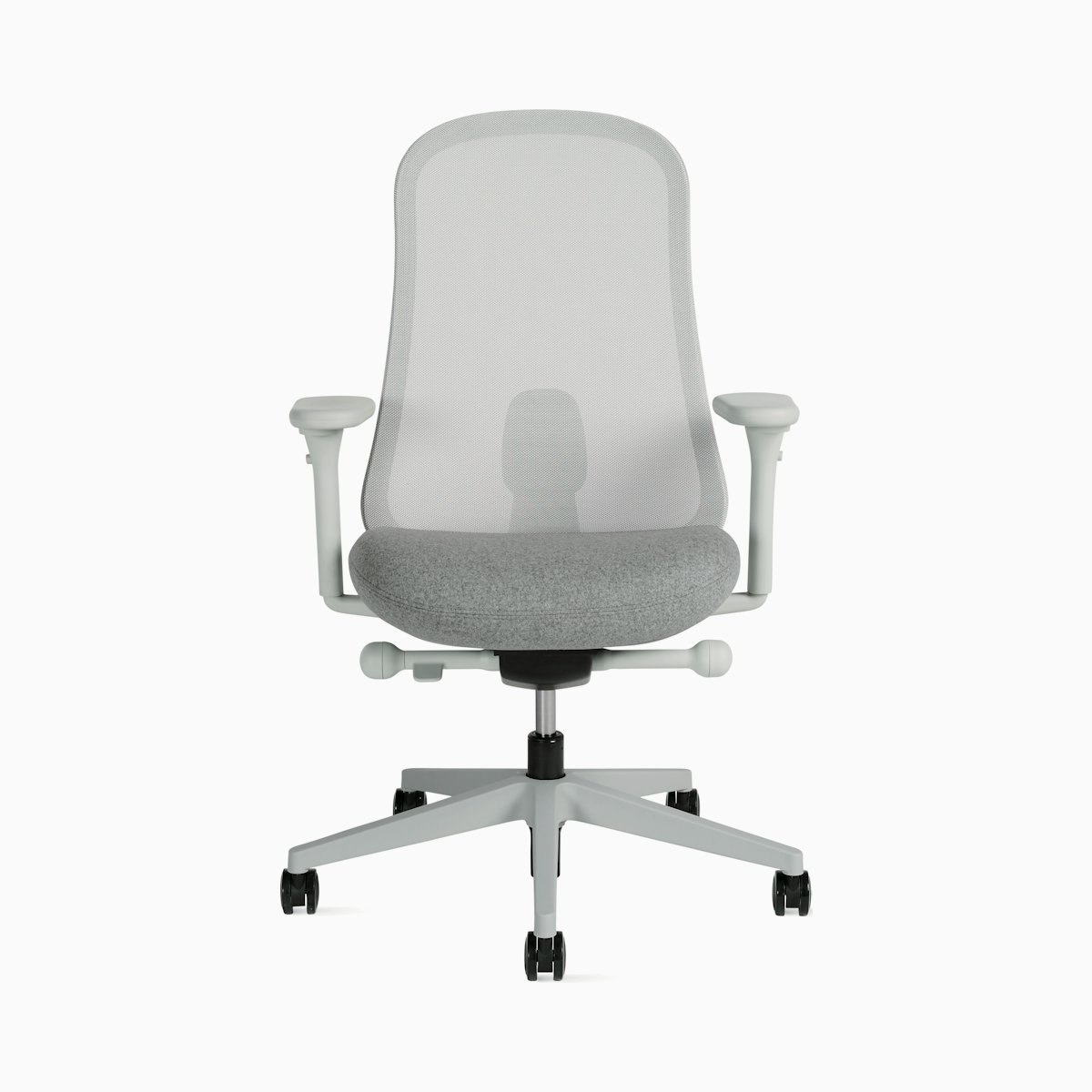
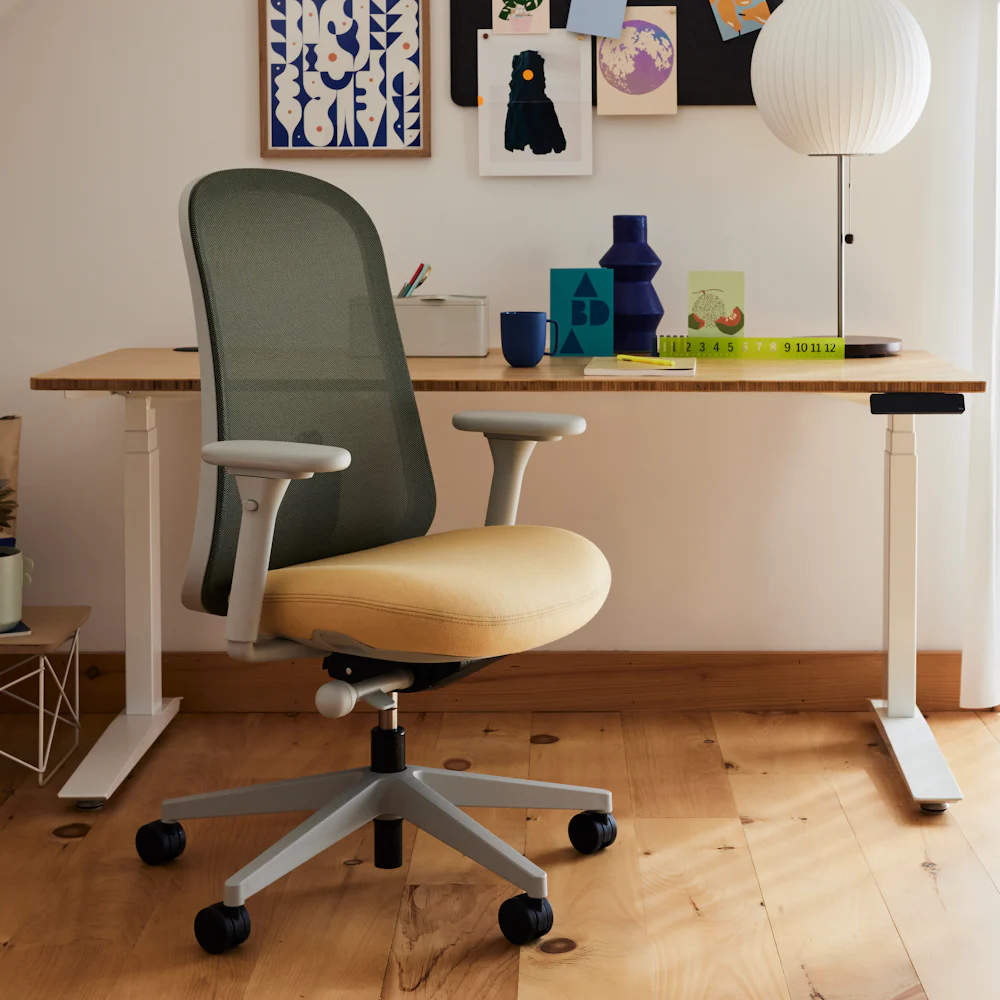
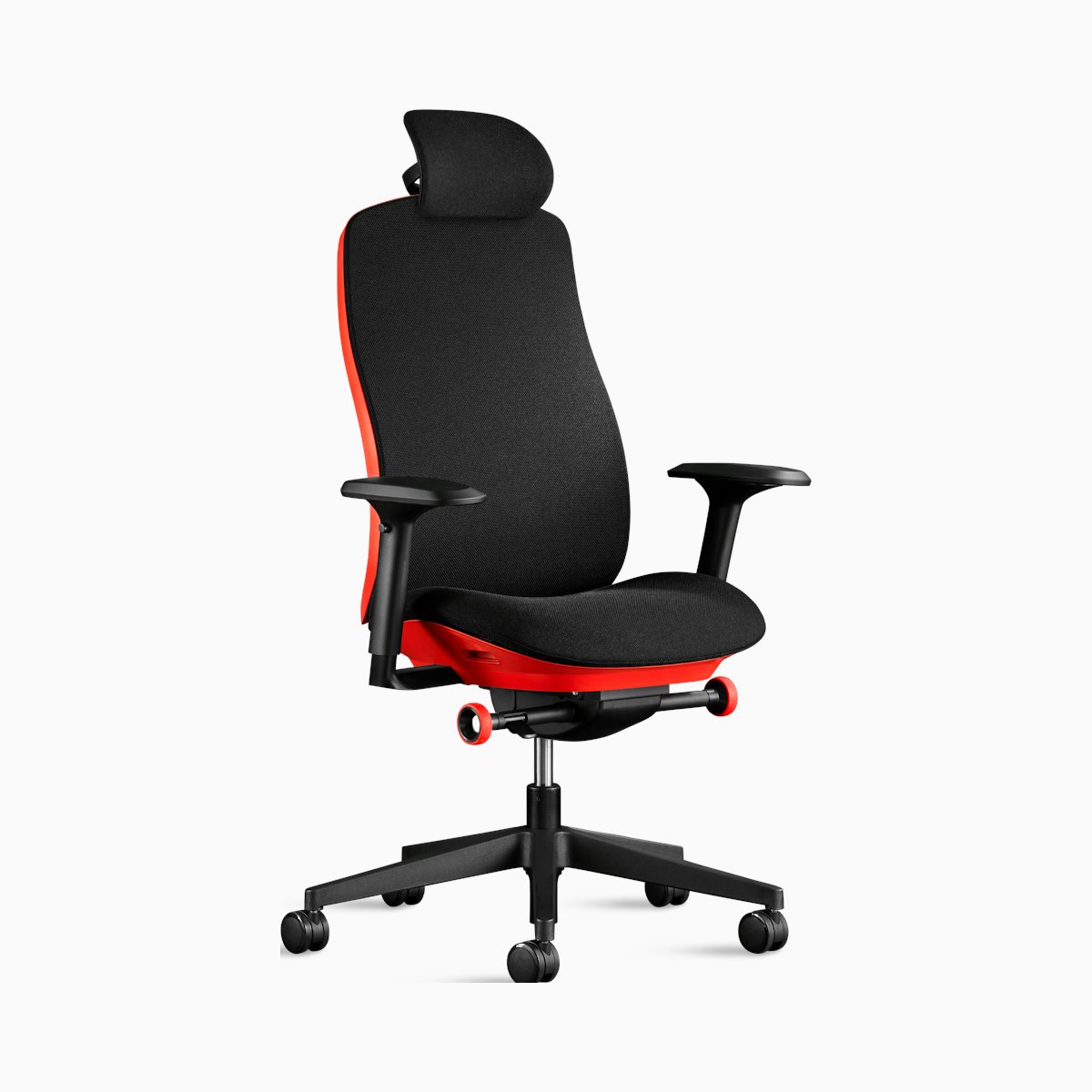
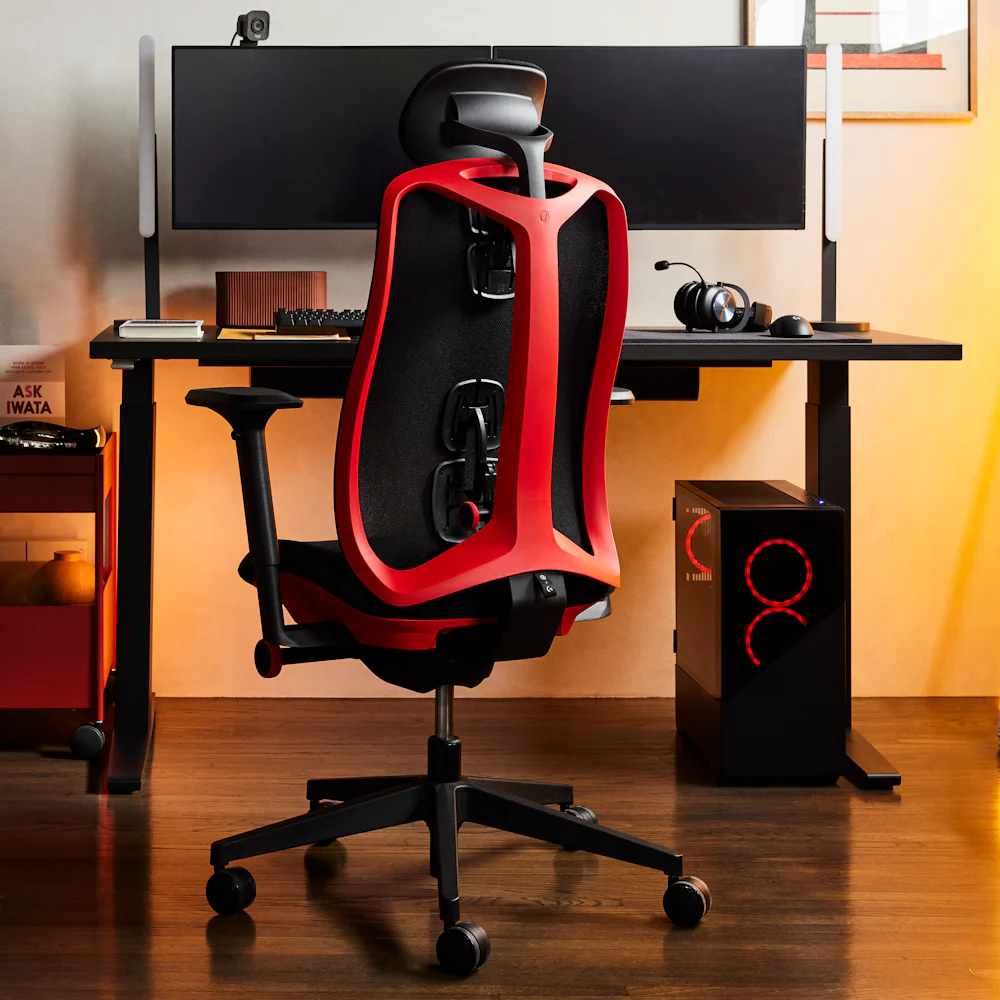
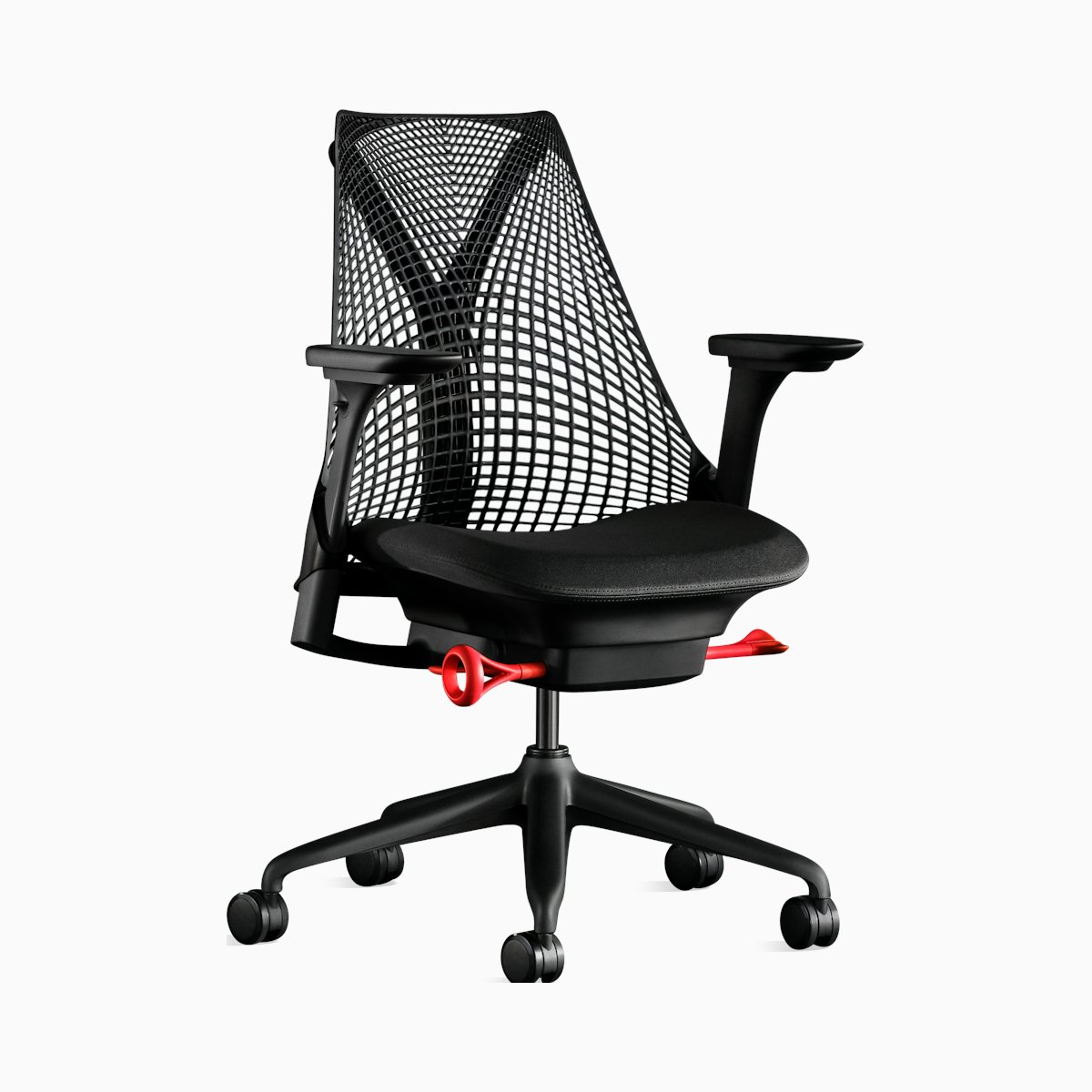


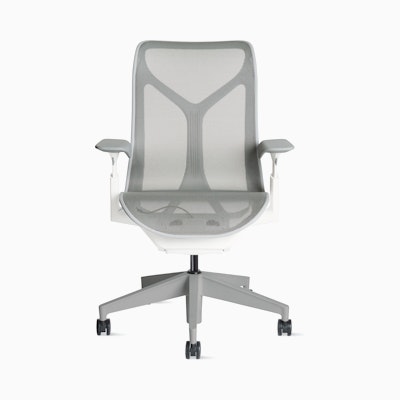


What Is an Ergonomic Chair?
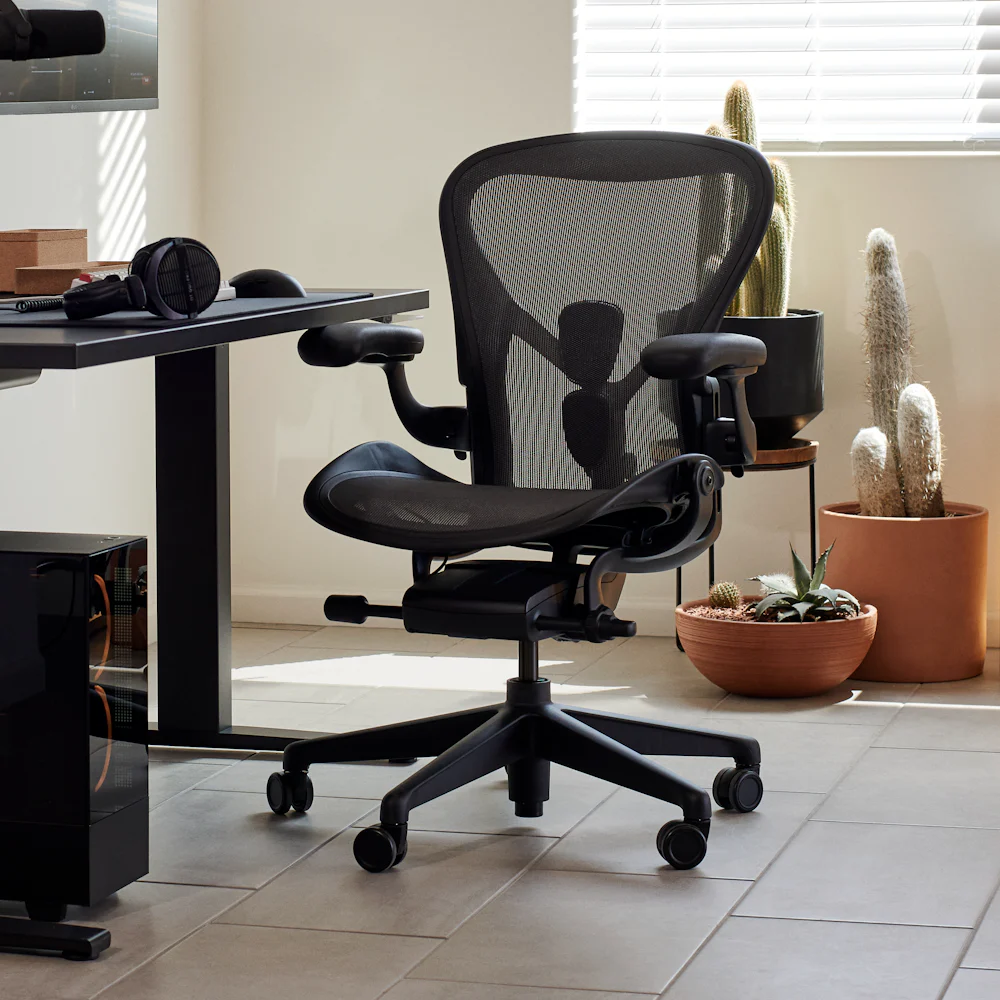
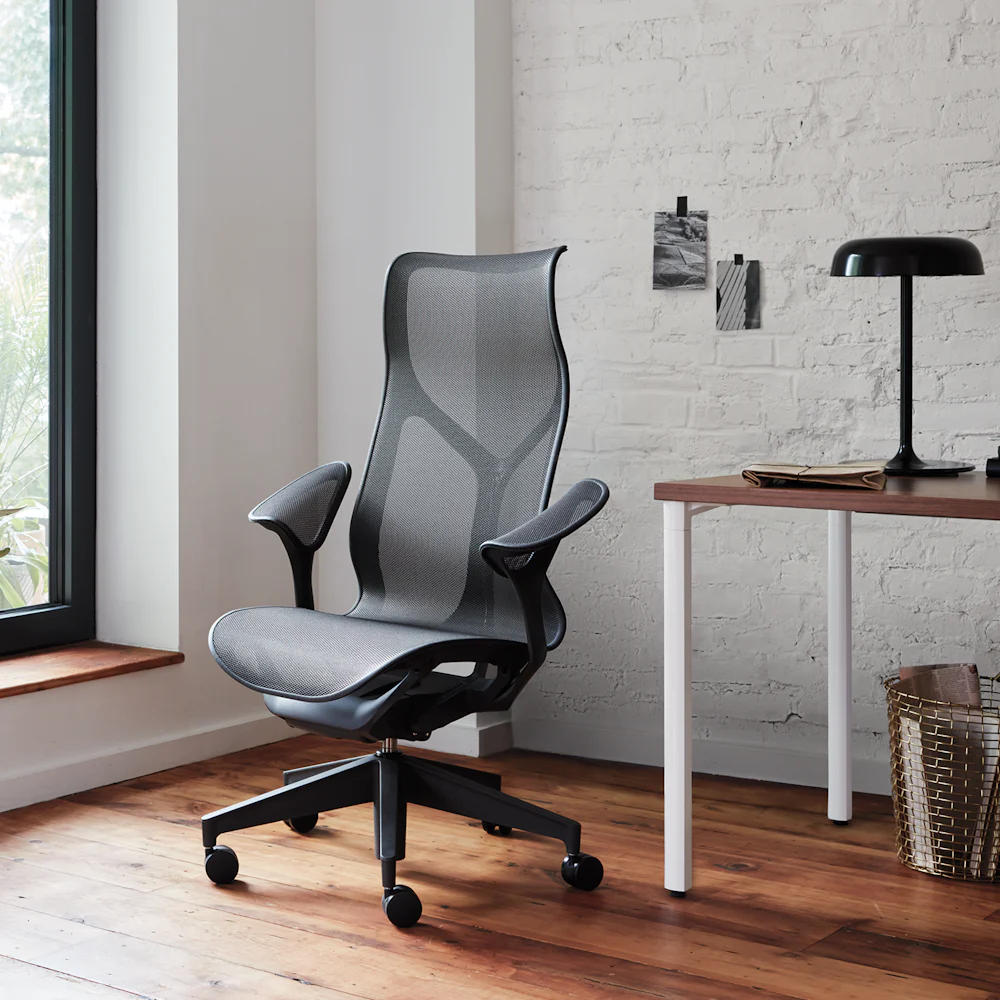
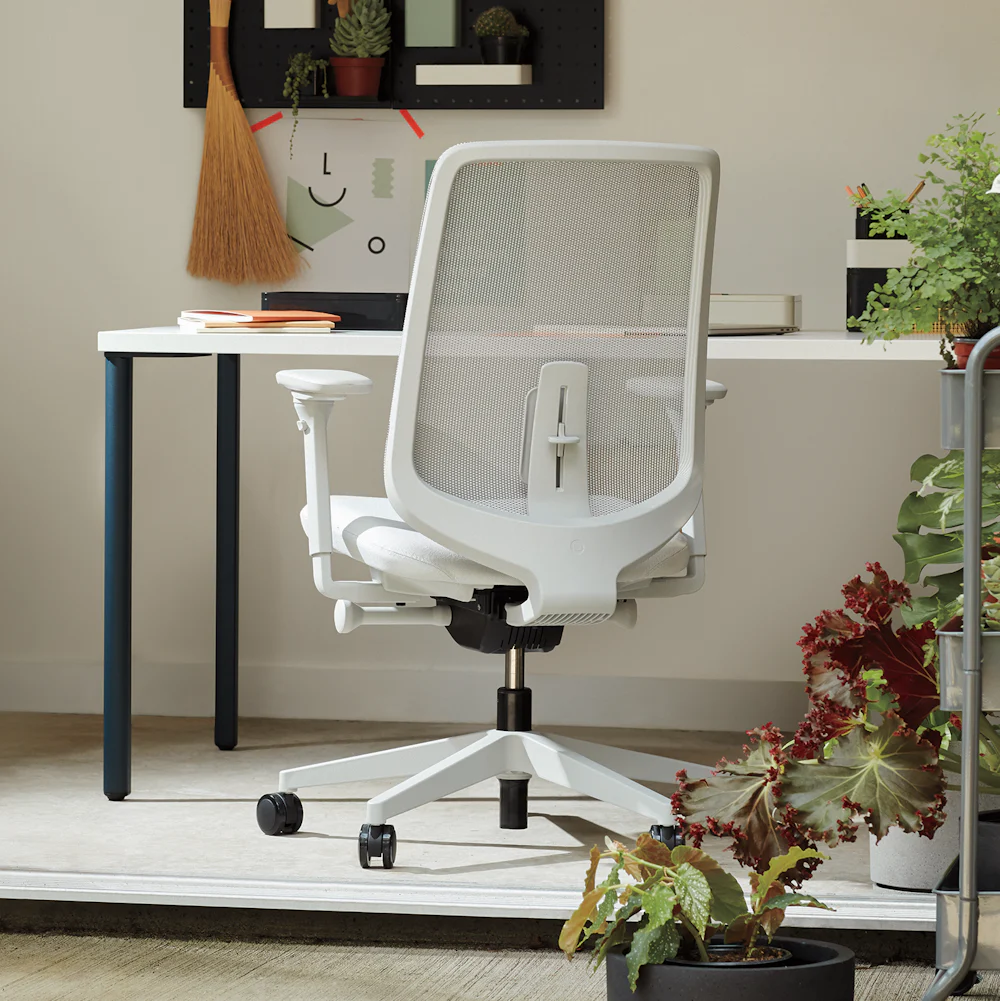
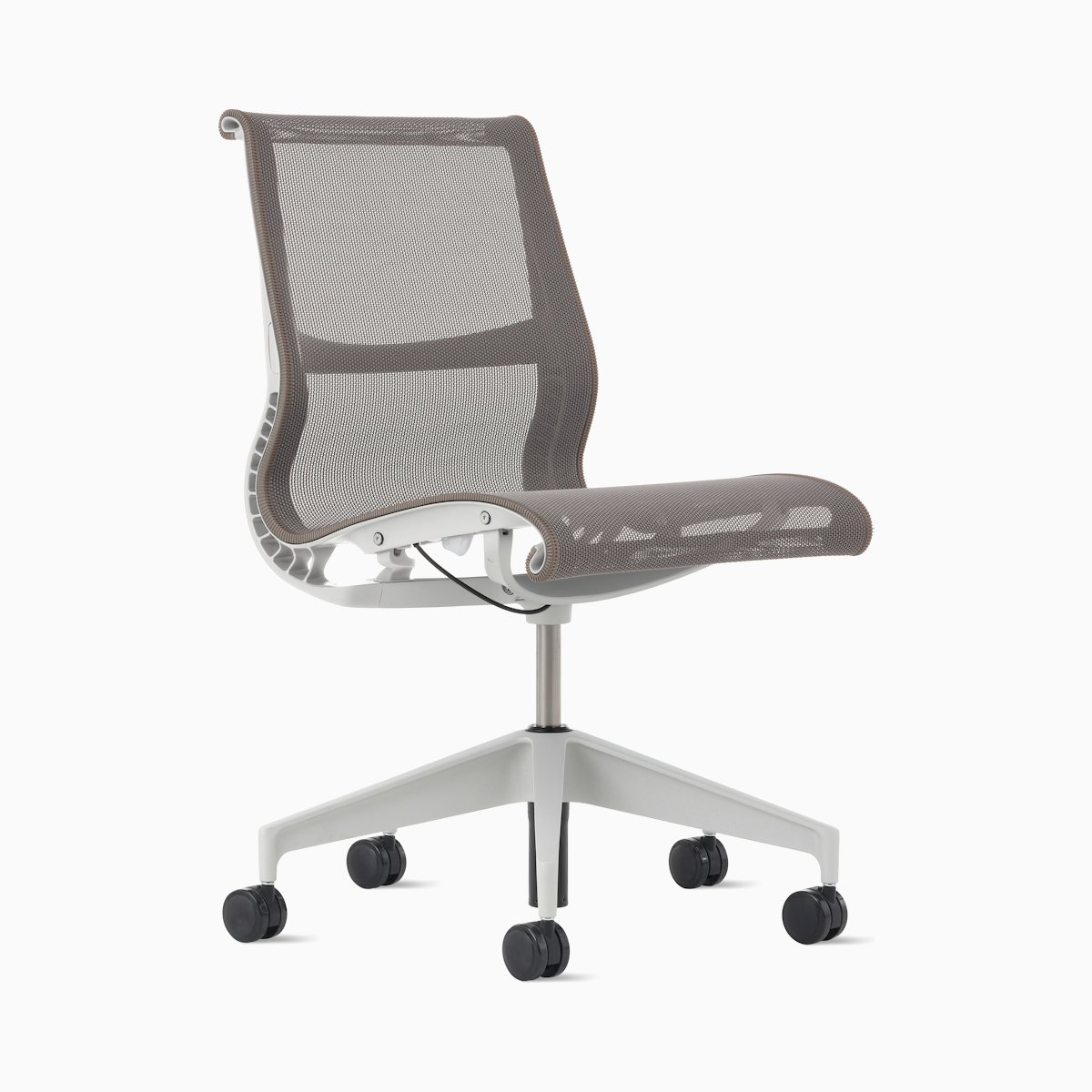
Made to maximize comfort and efficiency at work, an ergonomic chair is a performance-optimized office chair designed using principles of ergonomics, equipped with features that cater to the human body.
So: What Is Ergonomics?
Ergonomics is a scientific discipline that examines the way people interact with their workplaces, with the goal of mitigating or eliminating workplace stressors. Ergonomists use empirical data from their observations to develop workplace solutions that improve workers’ health, safety, comfort, and productivity.
Ergonomic designs – such as ergonomic office chairs – are human centered, meaning they are built to support the human body. The ergonomic discipline draws from principles in the fields of psychology, anthropometry, biomechanics, and more to accommodate the body’s physical and psychological needs.
To learn more about the benefits of human-centered design, read Herman Miller's guide to The Best Office Chairs for Back Pain. The best ergonomic office chairs have one or more of the following features:
What Features to Look for in Ergonomic Office Chairs
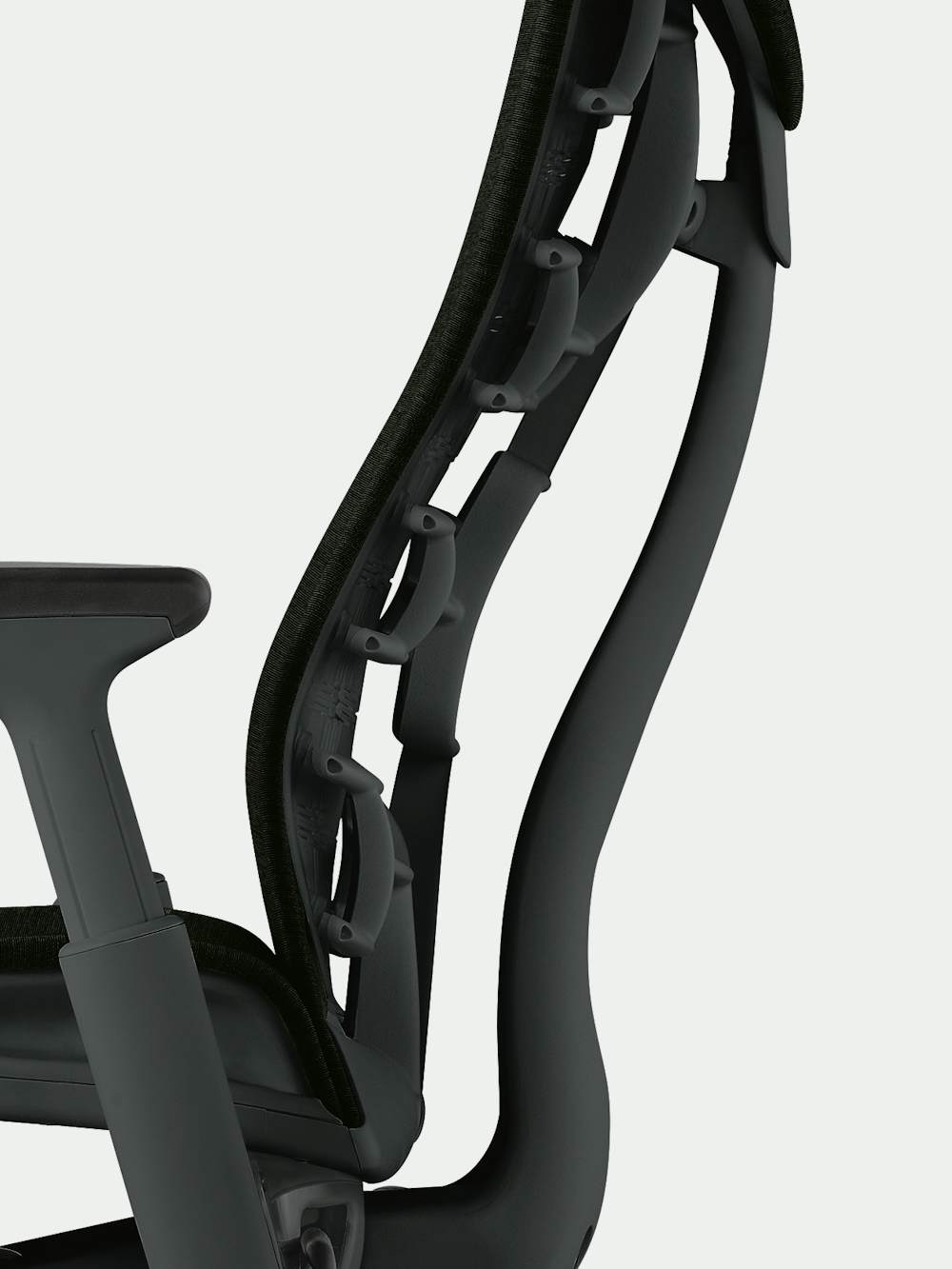
Spinal support
Sculptural seat backs that contour the natural curve of the spine give Herman Miller’s ergonomic office chairs the unparalleled lumbar and neck support for which they are celebrated. By aligning the spine in a natural yet active position, ergonomic office chairs promote a comfortable, focused posture. Lumbar support for office chairs may also come in the form of inserts or cushions that supply additional padding or support for the lower back.
Extremity support
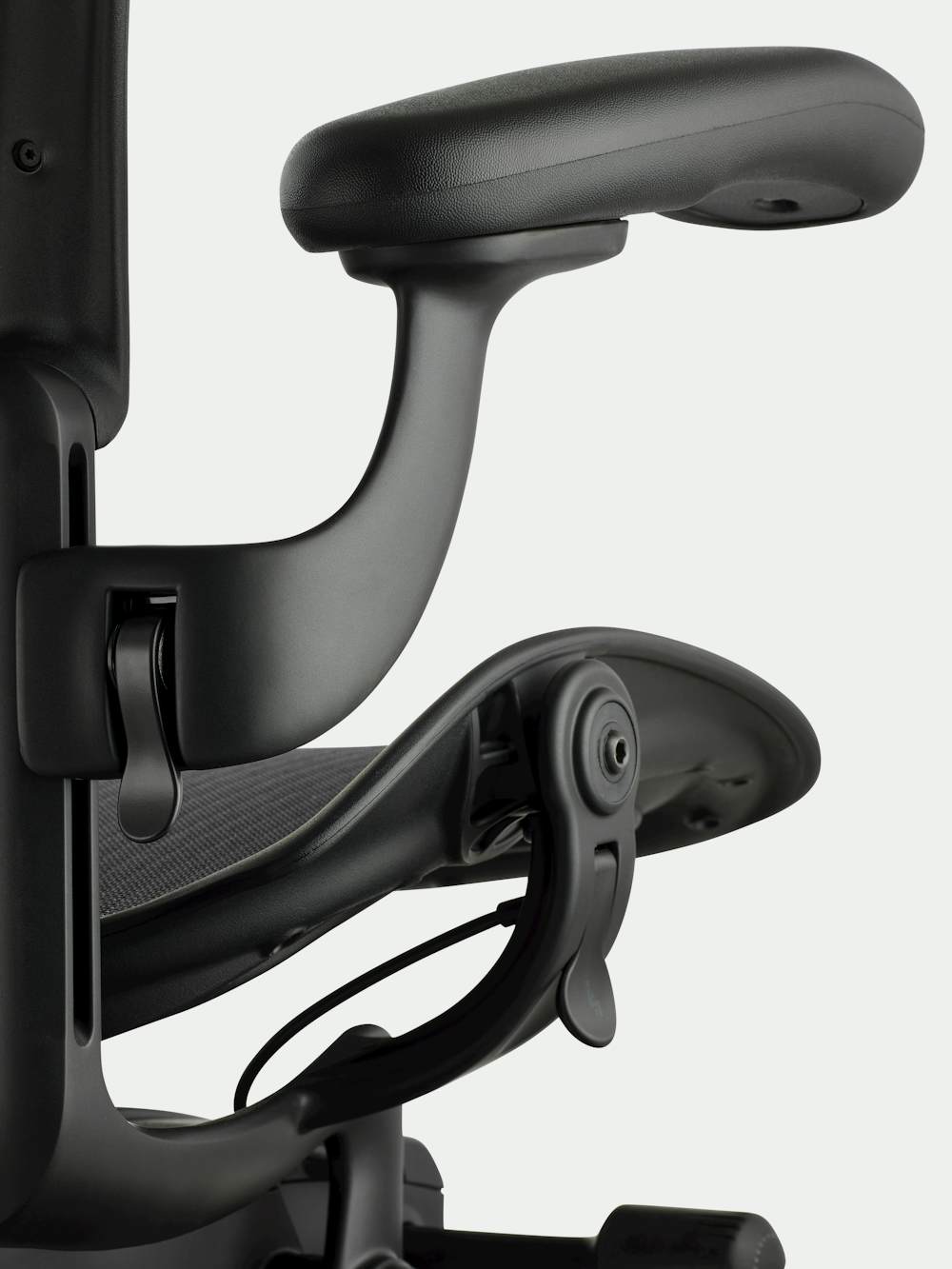
Despite being a common source of discomfort, the back isn’t the only part of the body that requires support throughout the day. The position of the arms, head, and legs contribute to proper posture as well. Ergonomic office chairs account for extremity support with features like armrests, headrests, and even footrests to keep every part of the body in an optimal position.
Adjustability
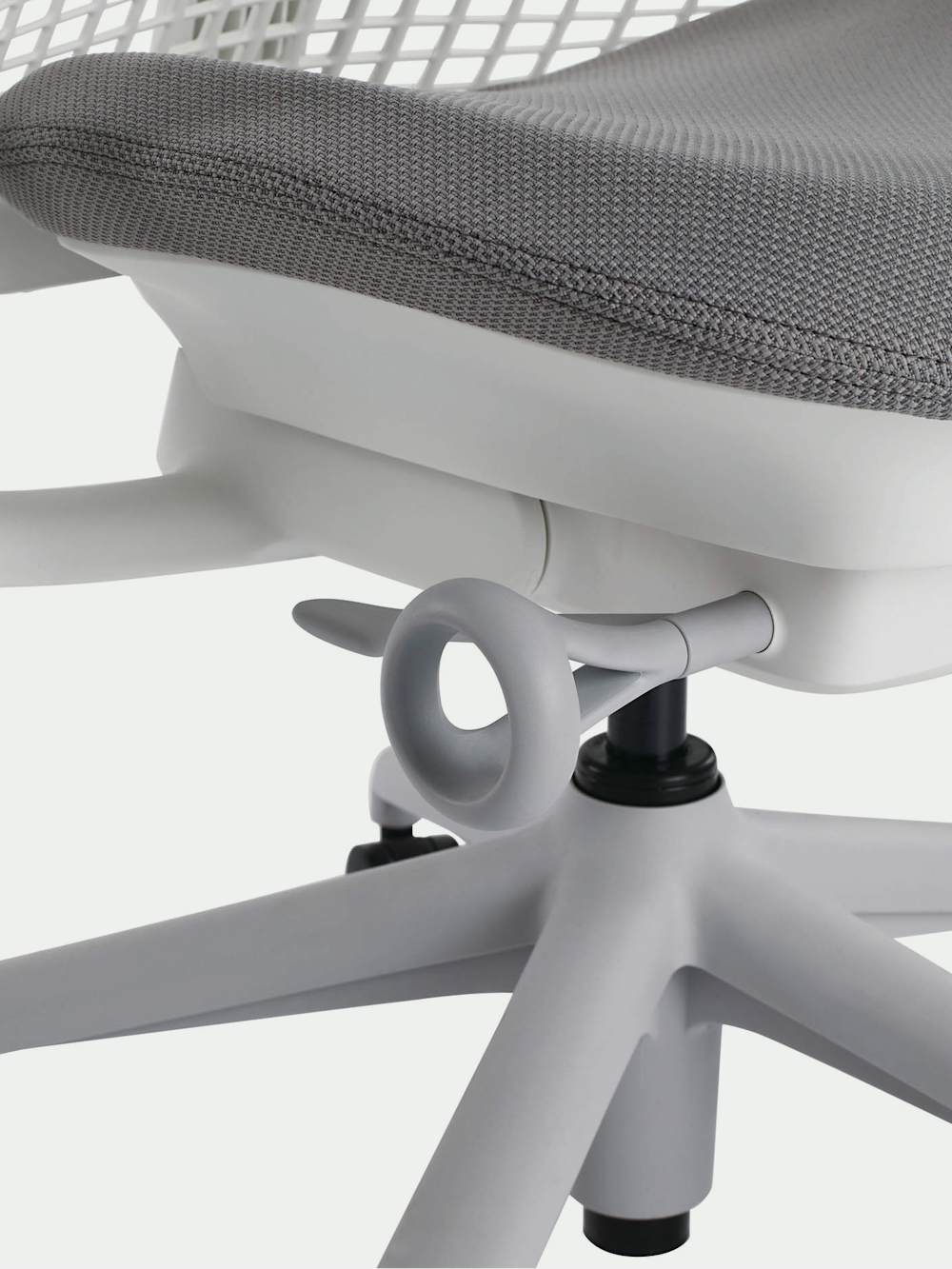
To accommodate the widest spectrum of needs, many ergonomic office chairs are adjustable. Adjustable chairs may be height adjustable, allowing people of different heights to sit with their feet flat on the ground, or tilt adjustable, allowing users to alter their seat depth and calibrate their posture. Office chairs with adjustable arms, headrests, and lumbar supports enable additional fine-tuning.
Breathability
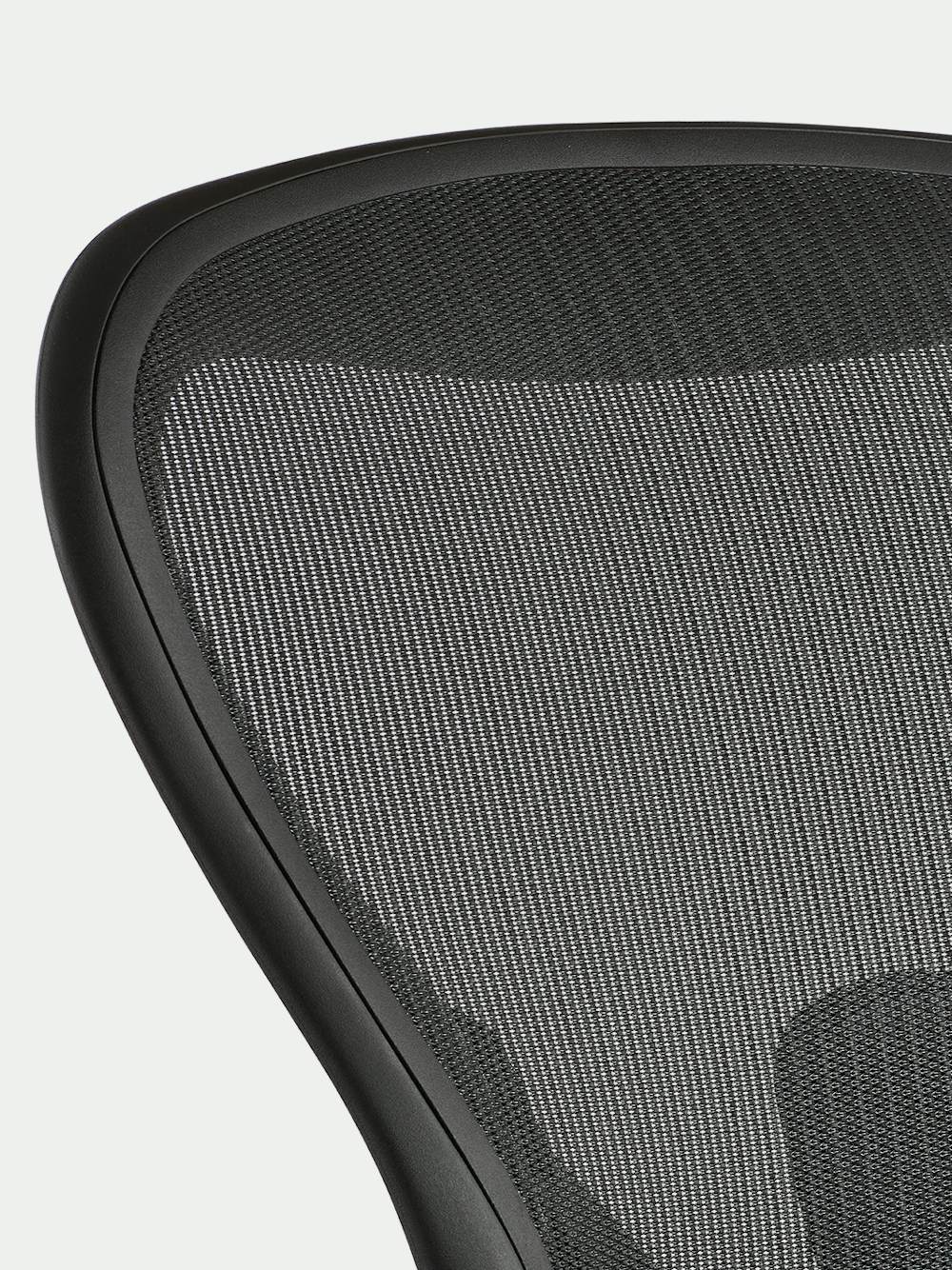
Ergonomic chairs from Herman Miller prioritize thermal comfort in the workplace, incorporating breathable materials and ventilation to keep occupants at a comfortable temperature. Airy textiles, including mesh and 8Z Pellicle suspension fabric, allow heat and moisture to escape while still providing support.
Responsive support
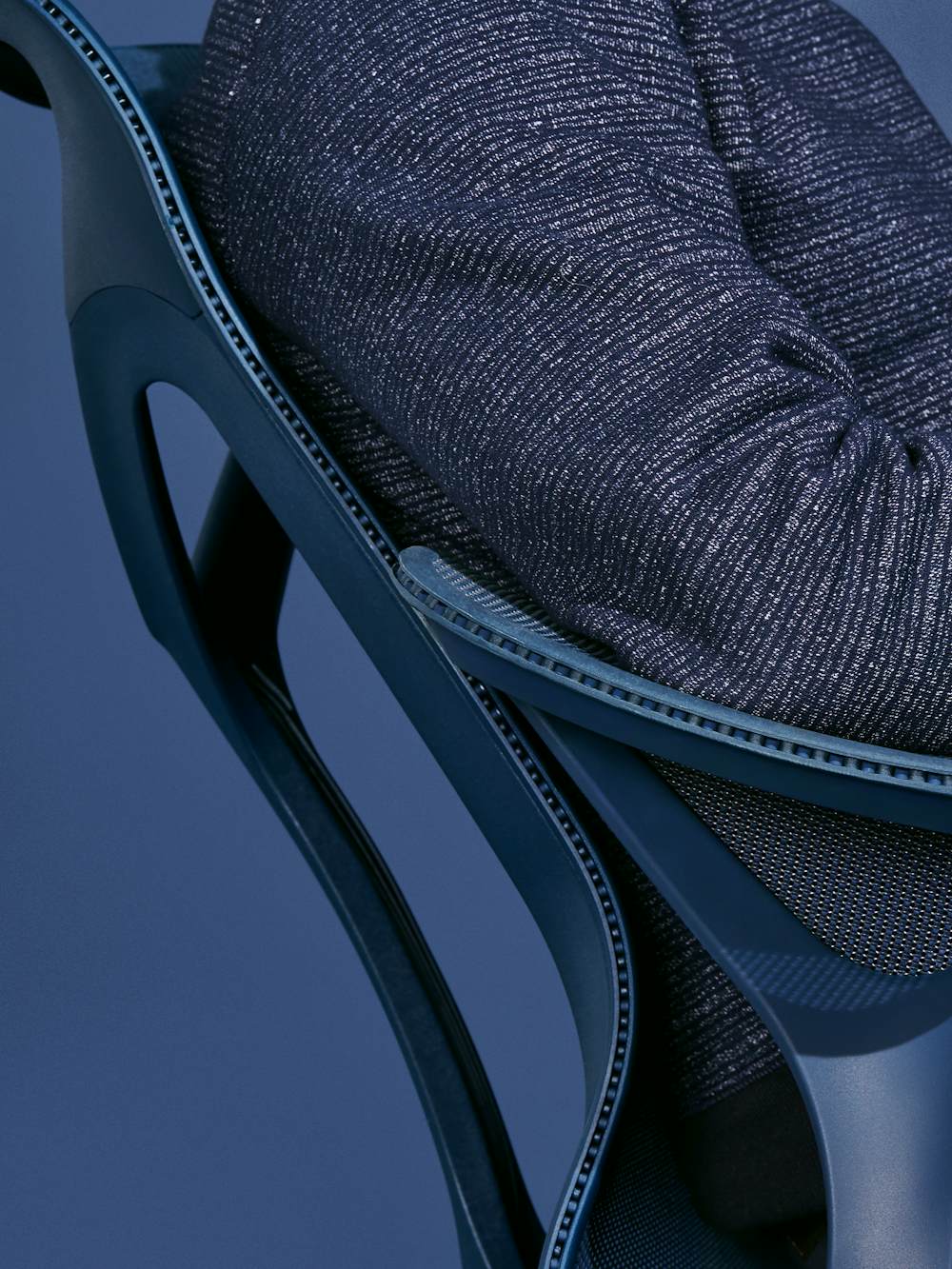
Ergonomic chairs are designed to be as dynamic as their users’ work styles, with responsive features that support the body's natural flow of motion. With flexible textiles, rolling casters, swiveling bases, padded upholstery, dynamic pressure distribution, and responsive tilt, ergonomic office chairs – such as reclining office chairs – provide support and responsive movement that flows with you.
How to Choose the Best Ergonomic Office Chair
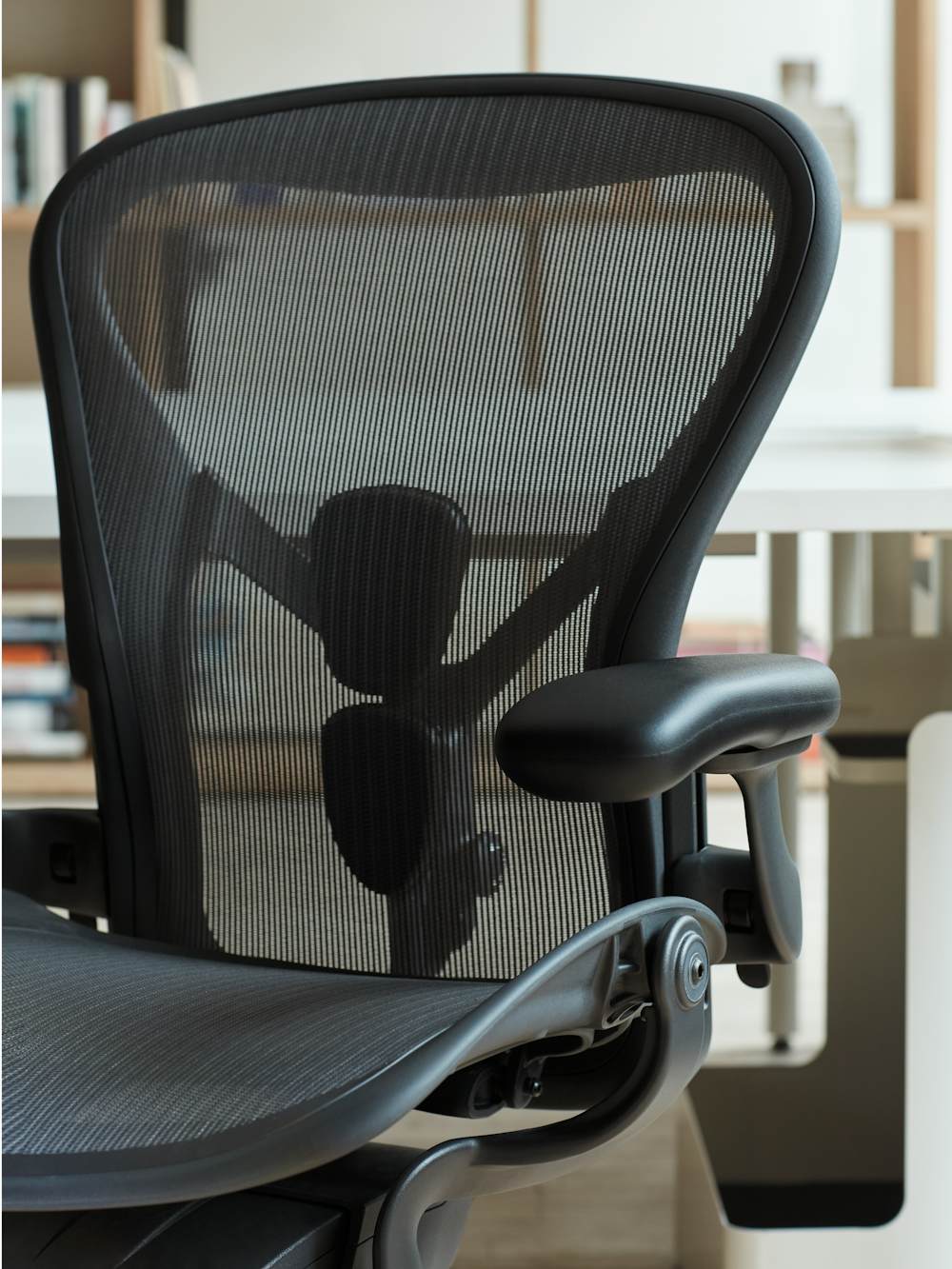
For enduring comfort over long hours, shop ergonomic office seating with:
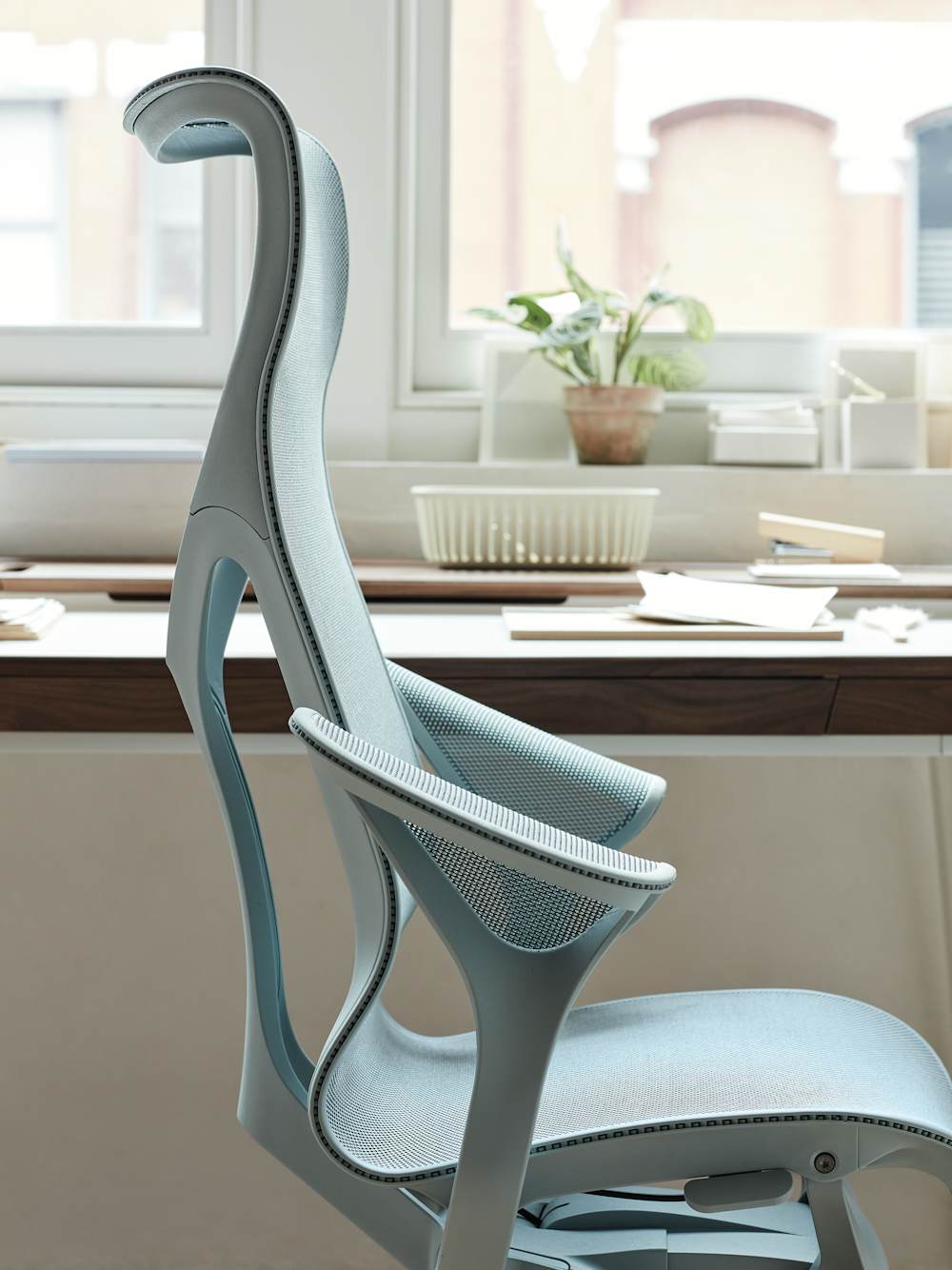
For short-term comfort in collaborative spaces, shop ergonomic chairs with:
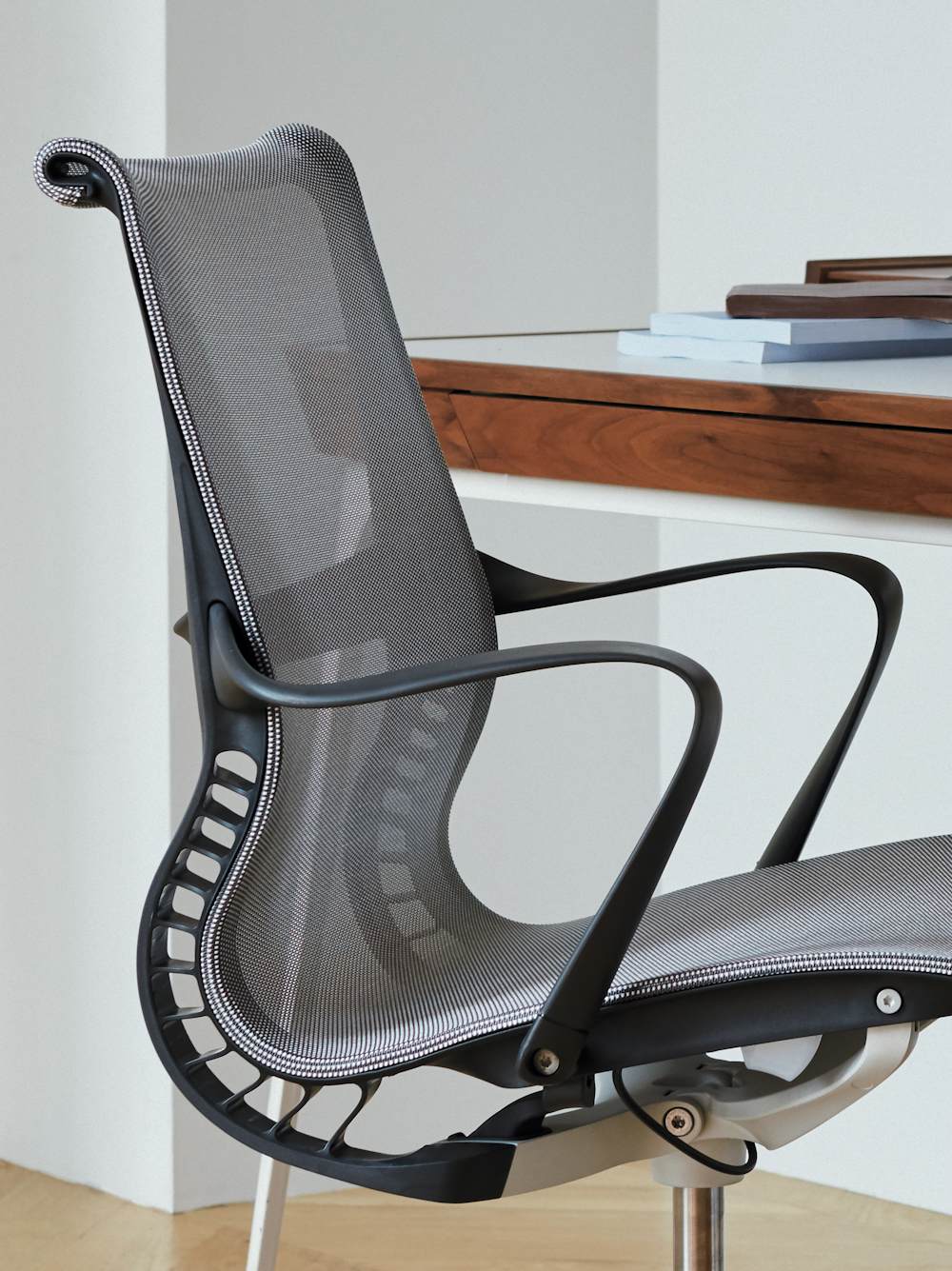
For a home office, browse ergonomic home office chairs with:
Ergonomic Chairs at Herman Miller
Our concept of the ergonomic office chair would likely not exist without the work researchers and designers Bill Stumpf and Don Chadwick have done for Herman Miller.
A solid foundation in research
Herman Miller cemented its investment in innovative office solutions in 1960 with the introduction of the Herman Miller Research Division (later Research Corporation), which intended to bring a research-driven approach to office furniture design. The Research Division planted Herman Miller’s design roots in science and research and established a new ethos for office furniture, one that rejected one-size-fits-all office solutions in favor of flexible, responsive solutions that prioritized human health and productivity.
The first ergonomic chair
The Research Division focused primarily on modular workplace solutions until the 1970s, when Herman Miller brought on ergonomics researcher Bill Stumpf and industrial designer Don Chadwick to collaborate on an office chair made to respond to – not dictate – how human beings sit. Together they designed the Ergon Chair for Herman Miller, released in 1976, widely considered the world’s first ergonomic office chair. The comfort criteria Stumpf and Chadwick used to design Ergon would go on to inform every ergonomic office chair Herman Miller has designed since.
The future of ergonomic seating
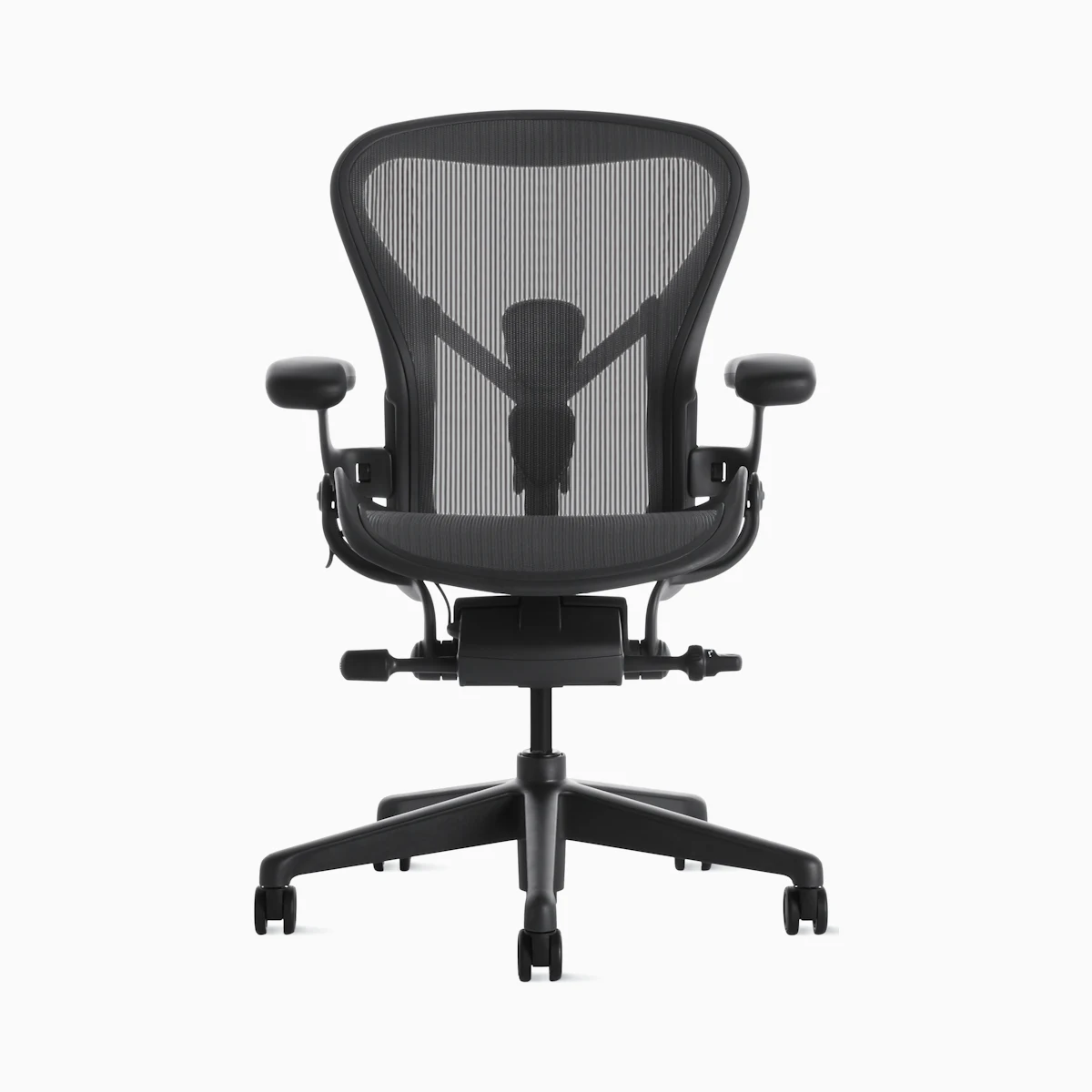
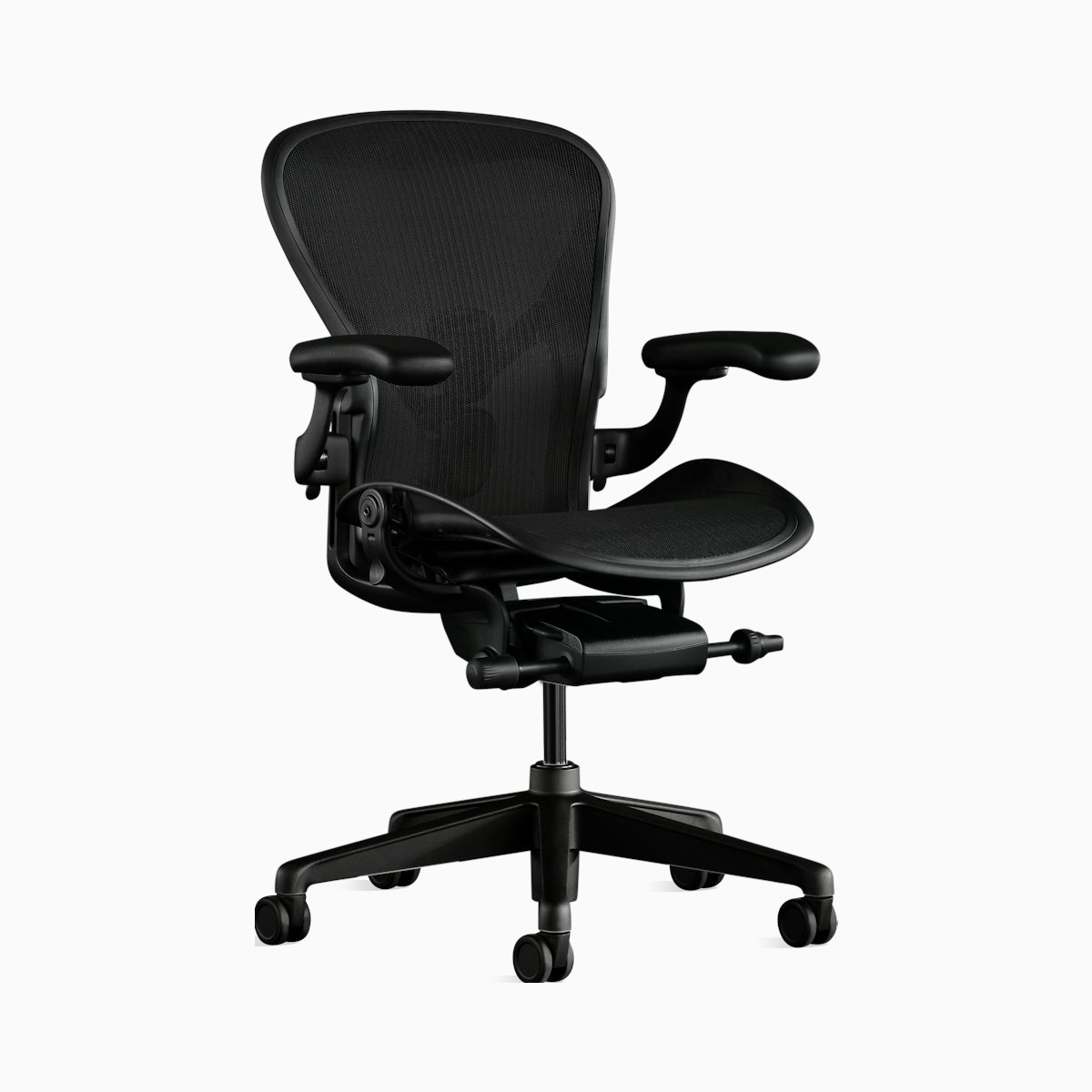
However, Ergon is not the ergonomic chair Herman Miller is best known for. That would be Aeron, released in 1994 and designed too by Stumpf and Chadwick. In the nearly 20 years between Ergon’s and Aeron’s launches, Stumpf and Chadwick honed their ergonomic expertise, and in doing so produced the defining ergonomic office chair for a new generation of office workers. Aeron would go on to become one of the best-selling office chairs in history, setting the standard for ergonomic seating worldwide.
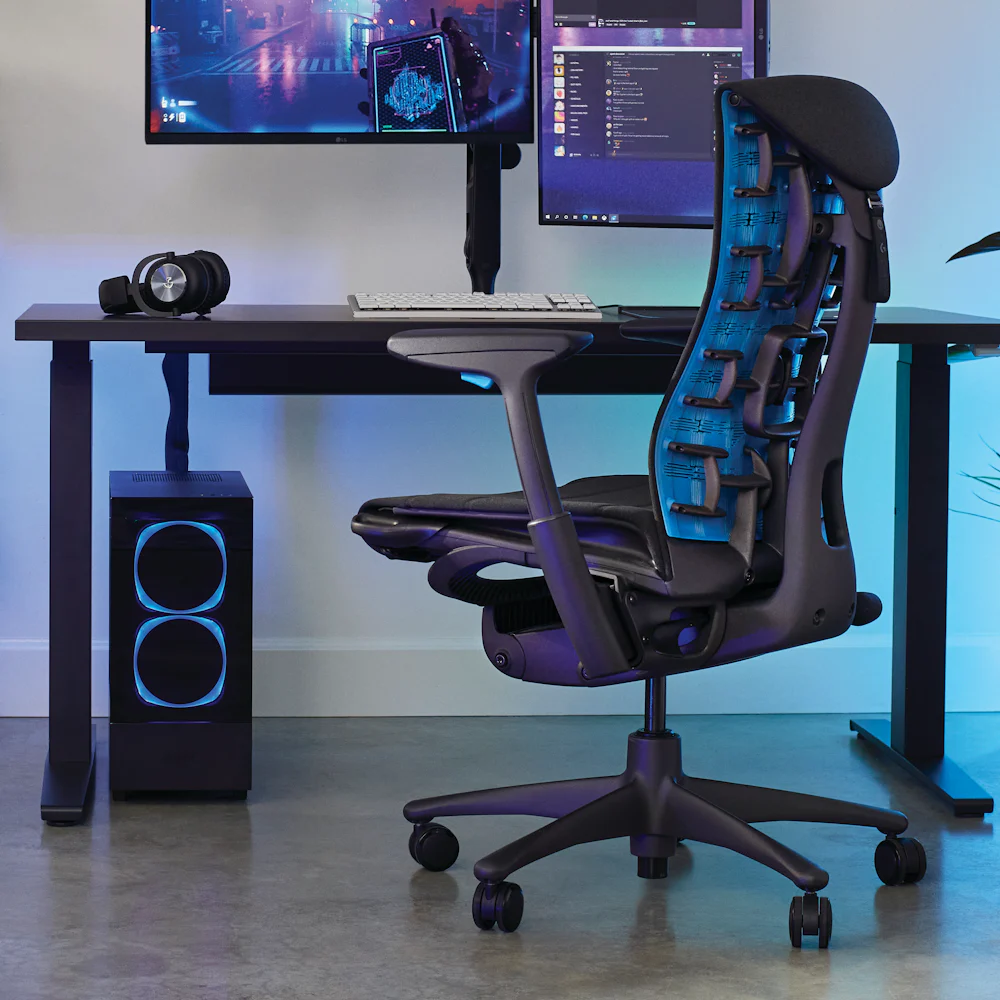
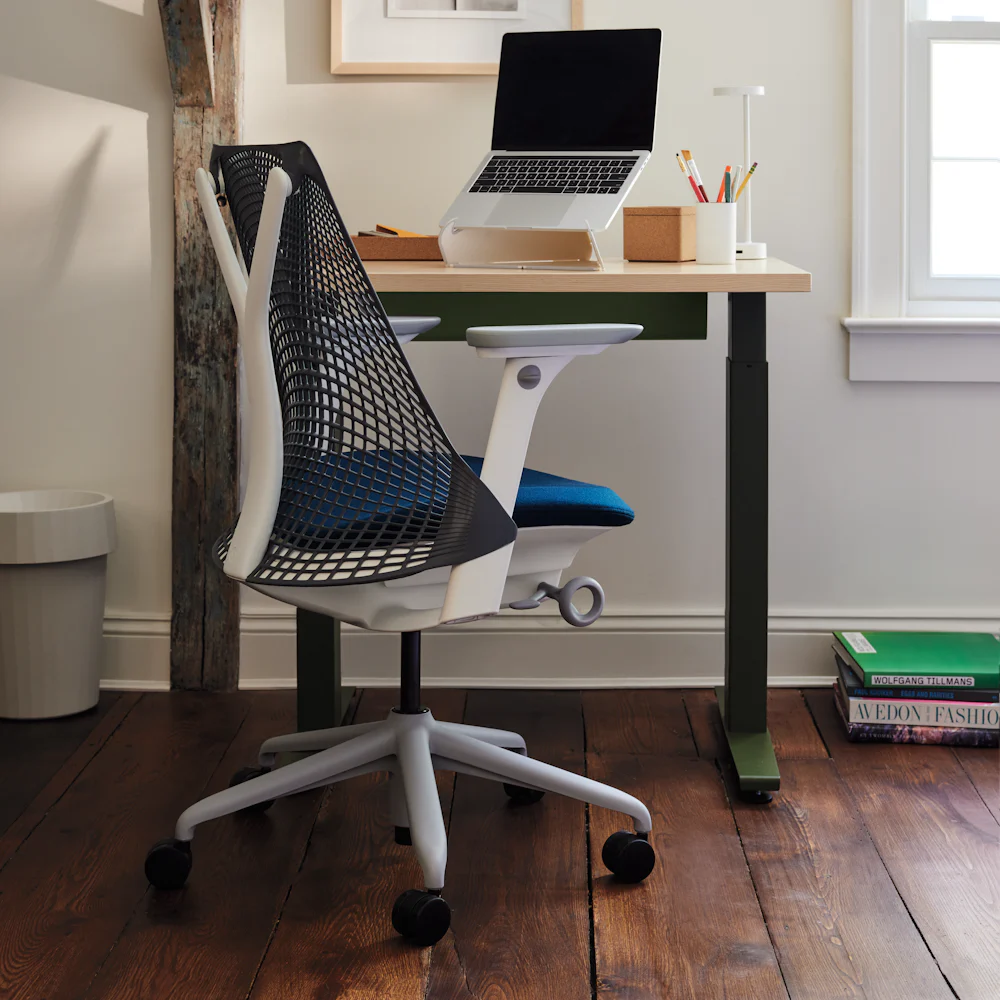
Herman Miller’s commitment to ergonomic innovation didn’t stop there, not even for Aeron. Since its initial launch, Aeron has undergone numerous ergonomic updates, including a 2016 remaster with new materials and features (learn the difference between classic & remastered Aeron models here). And Herman Miller has expanded its assortment of science-backed performance seating, with Embody, Sayl, Mirra 2, Cosm, and others innovating on the ergonomic foundation Bill Stumpf and Don Chadwick built.