Office Stools
Defined by their poise and industry-leading comfort, modern office chairs and office stools from Herman Miller offer wellness benefits. Here, browse the best office chairs, including executive office chairs and leather office chairs that prioritize wellness.

View











Office Stools
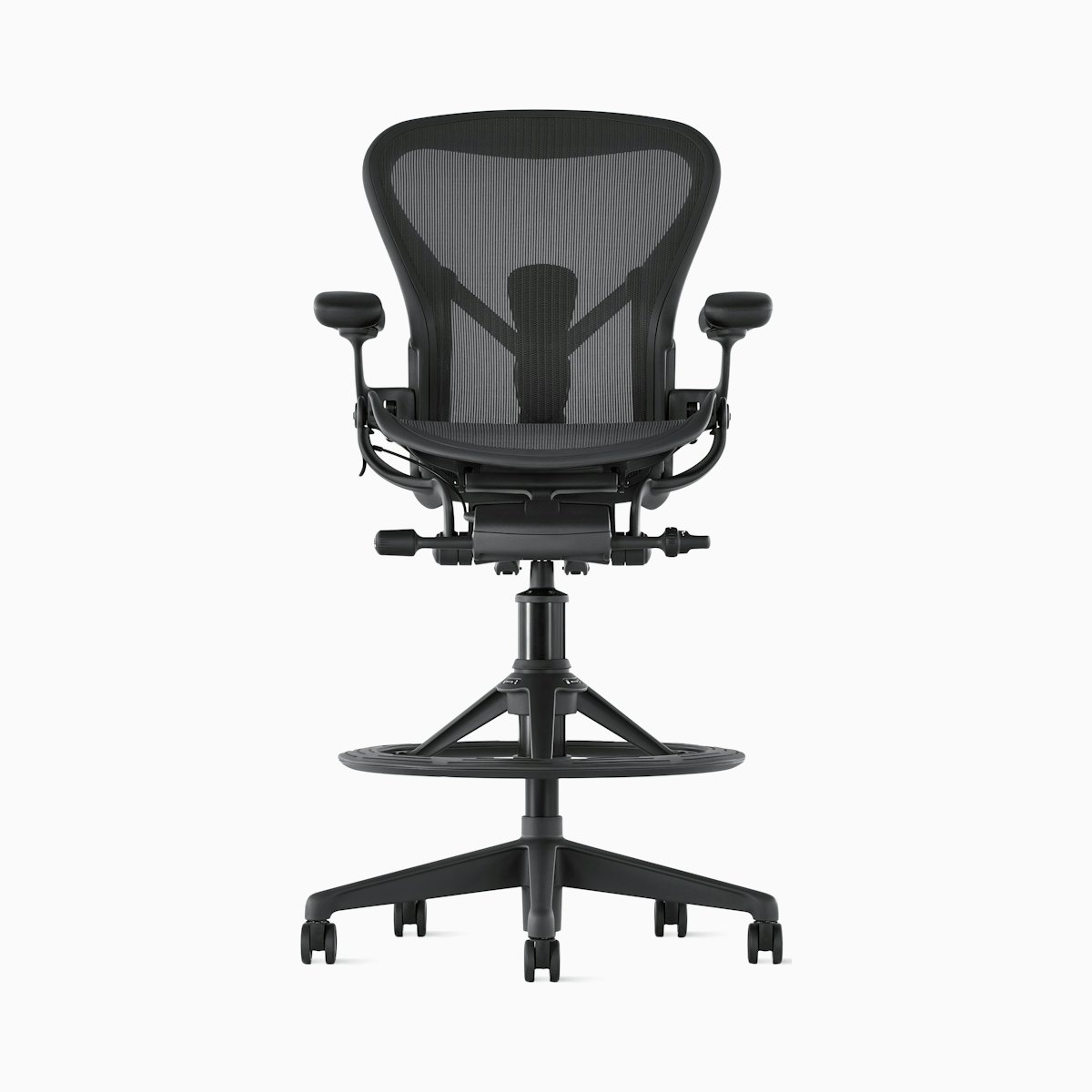
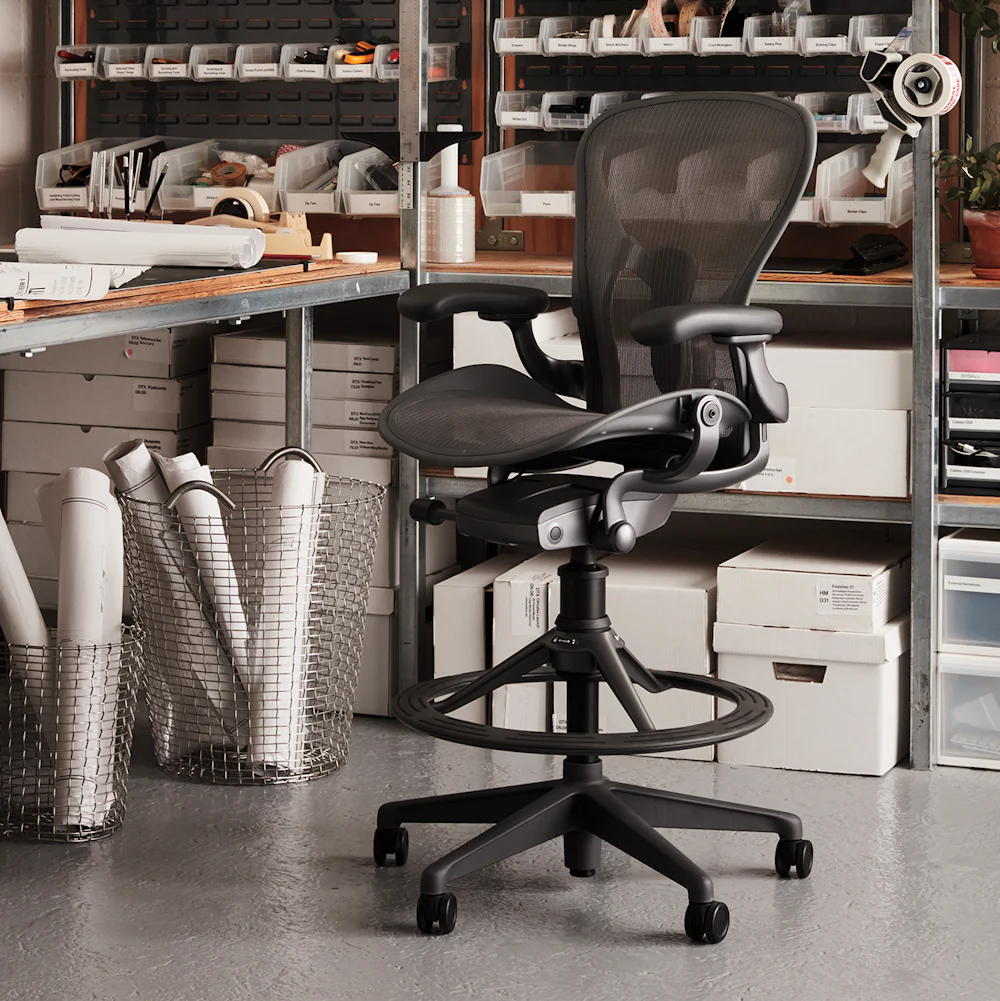
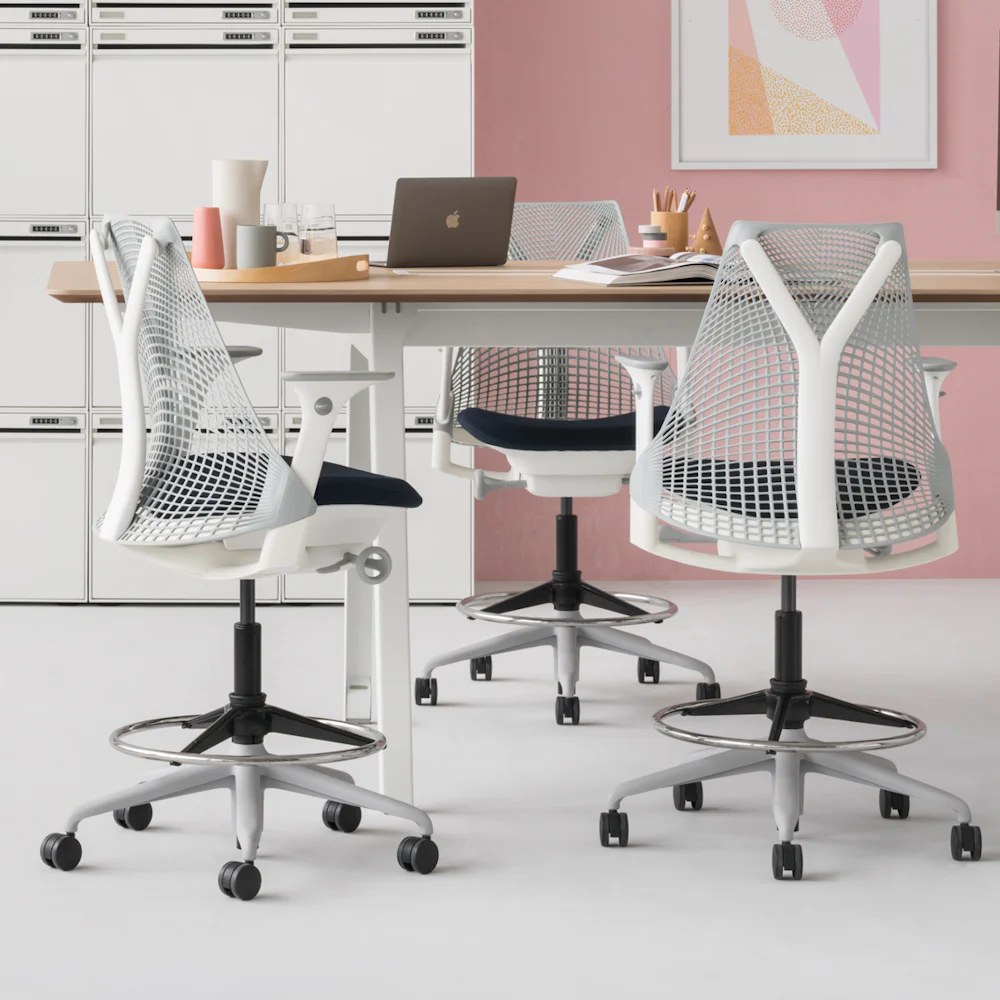
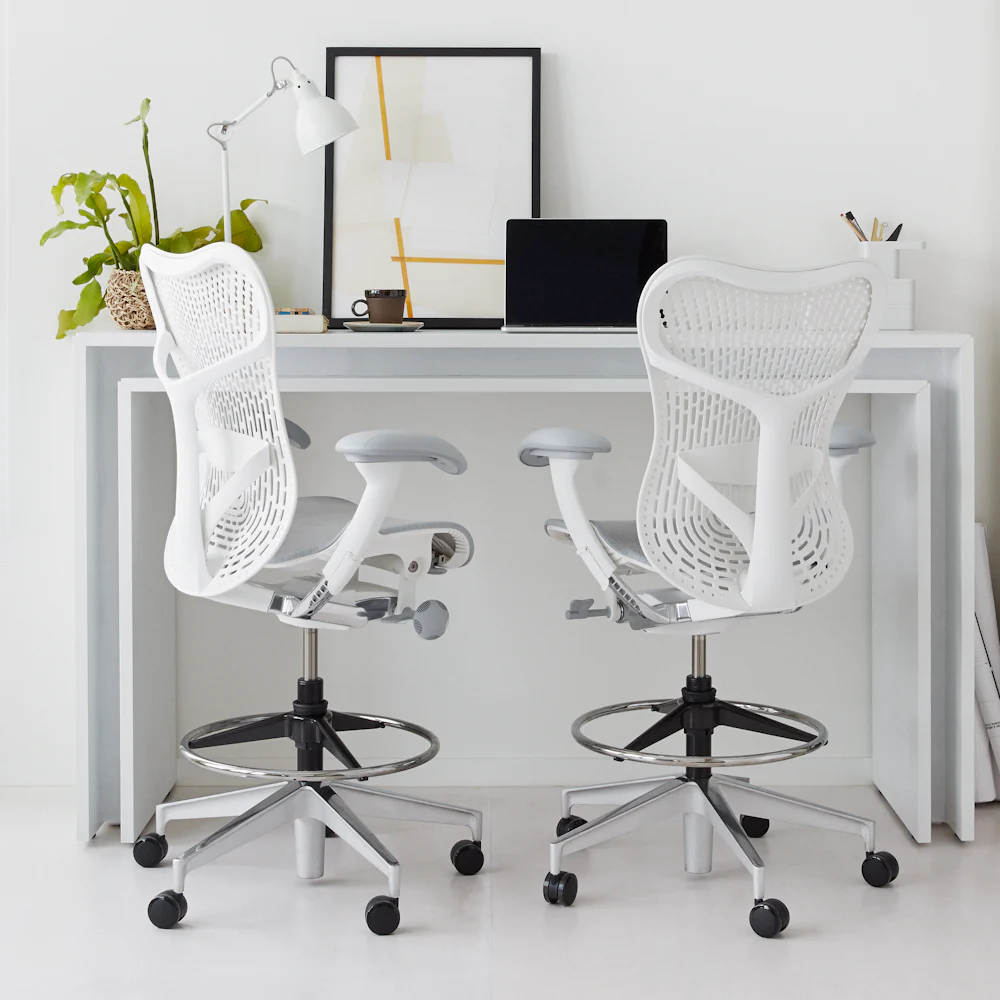
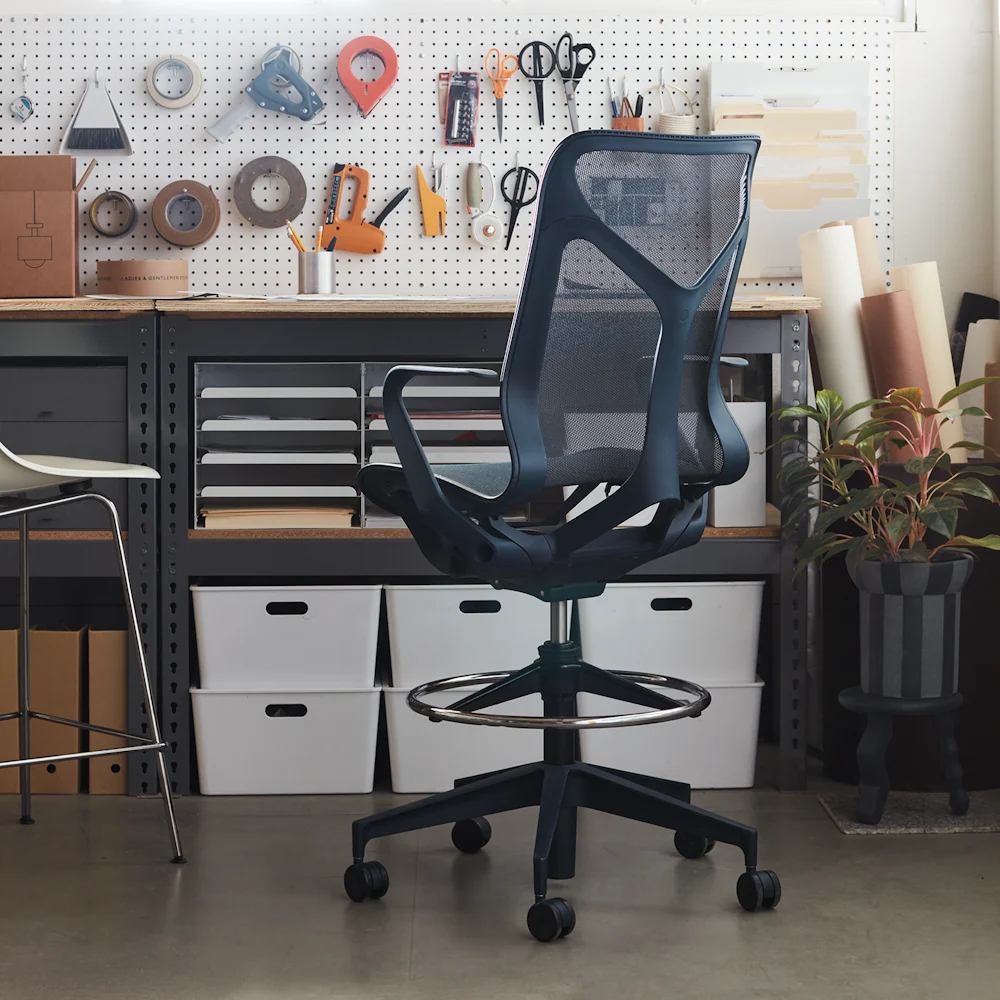
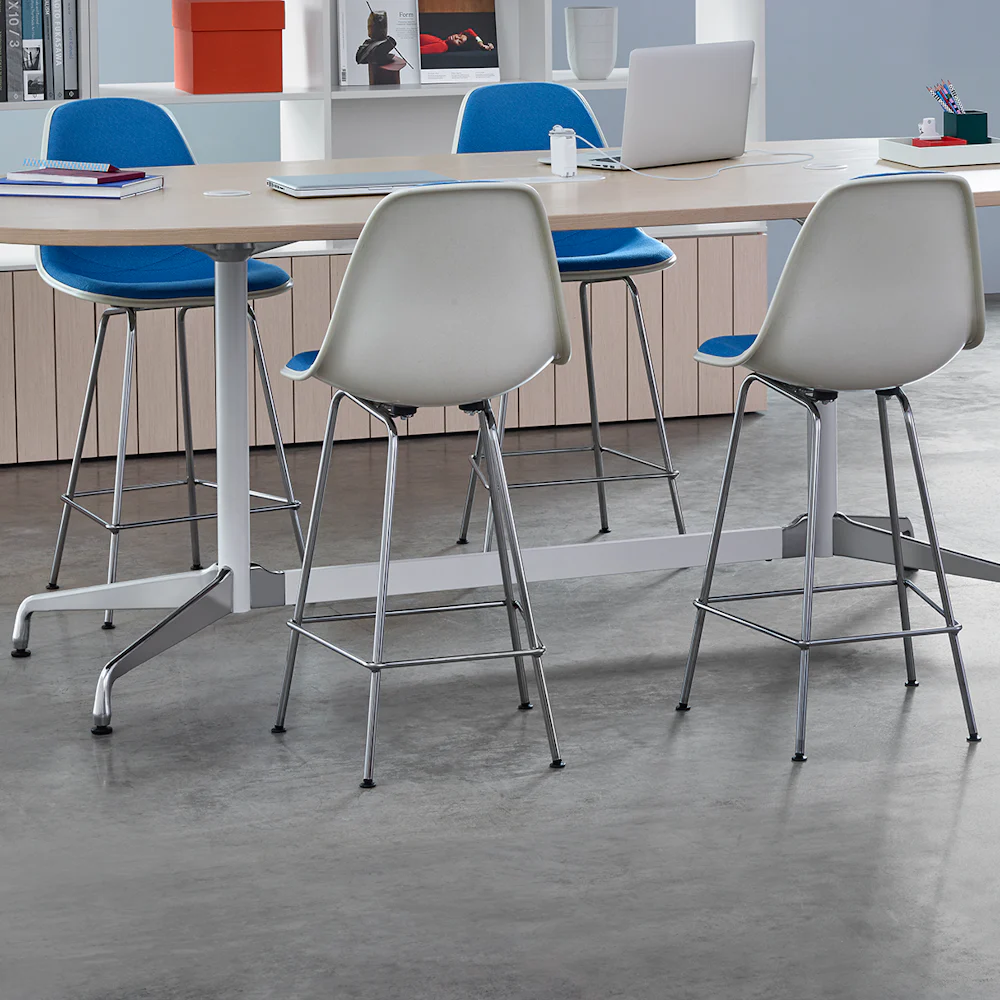
Designed to support your natural movement and balanced posture, Herman Miller office stools bring ergonomic support to seating for standing- or counter-height workspaces, helping you stay comfortable and engaged as you work and collaborate at elevated work surfaces.
Office Stools & Drafting Chairs
Elevated work surfaces call for seating designed with the same attention to ergonomics as high-performance task chairs. Herman Miller office stools support a range of postures and encourage healthy movement throughout the day, helping you transition comfortably between sitting, standing, and active work. For elevated workspaces, seating generally falls into two categories: fixed-height stools and ergonomic office stools. Fixed-height stools are ideal for shorter periods of use and collaborative settings. Ergonomic office stools and drafting chairs offer greater adjustability and support as you work at standing-height desks, counters, and other elevated surfaces.
Fixed-Height Stools: Bar and Counter Height
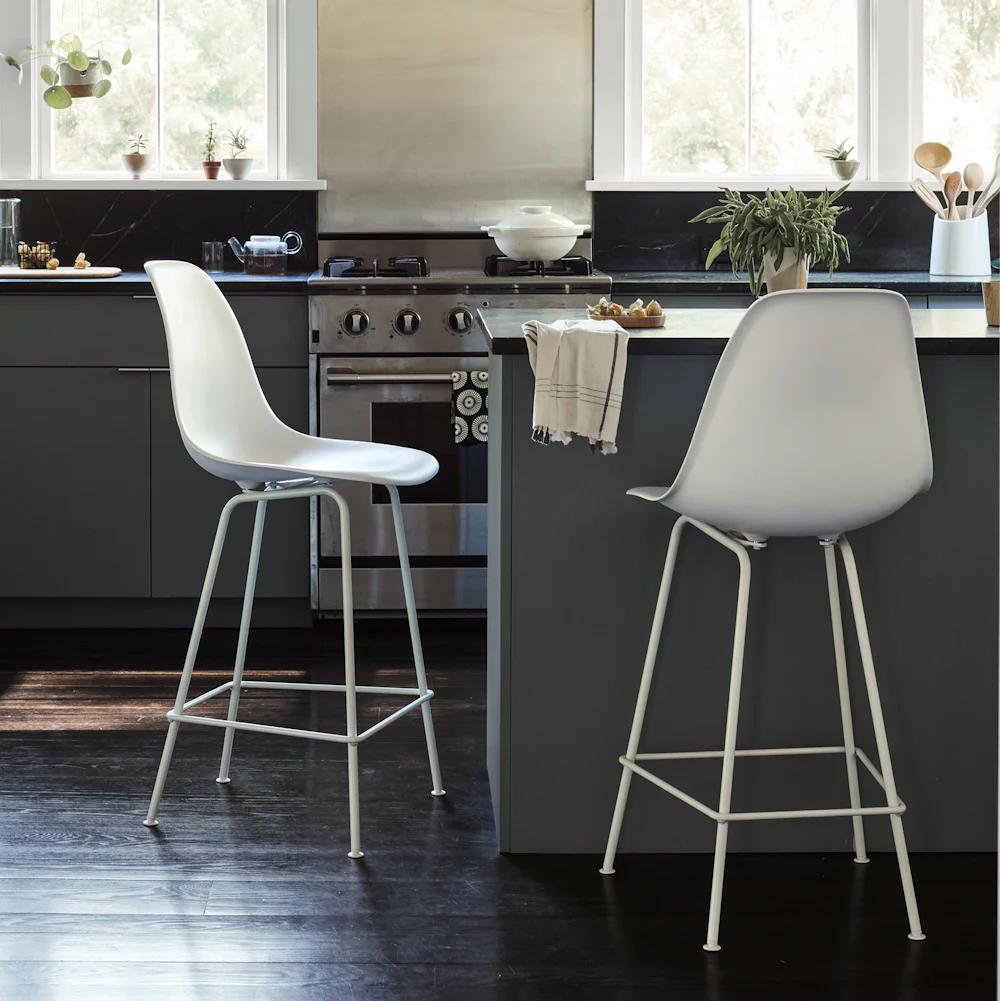
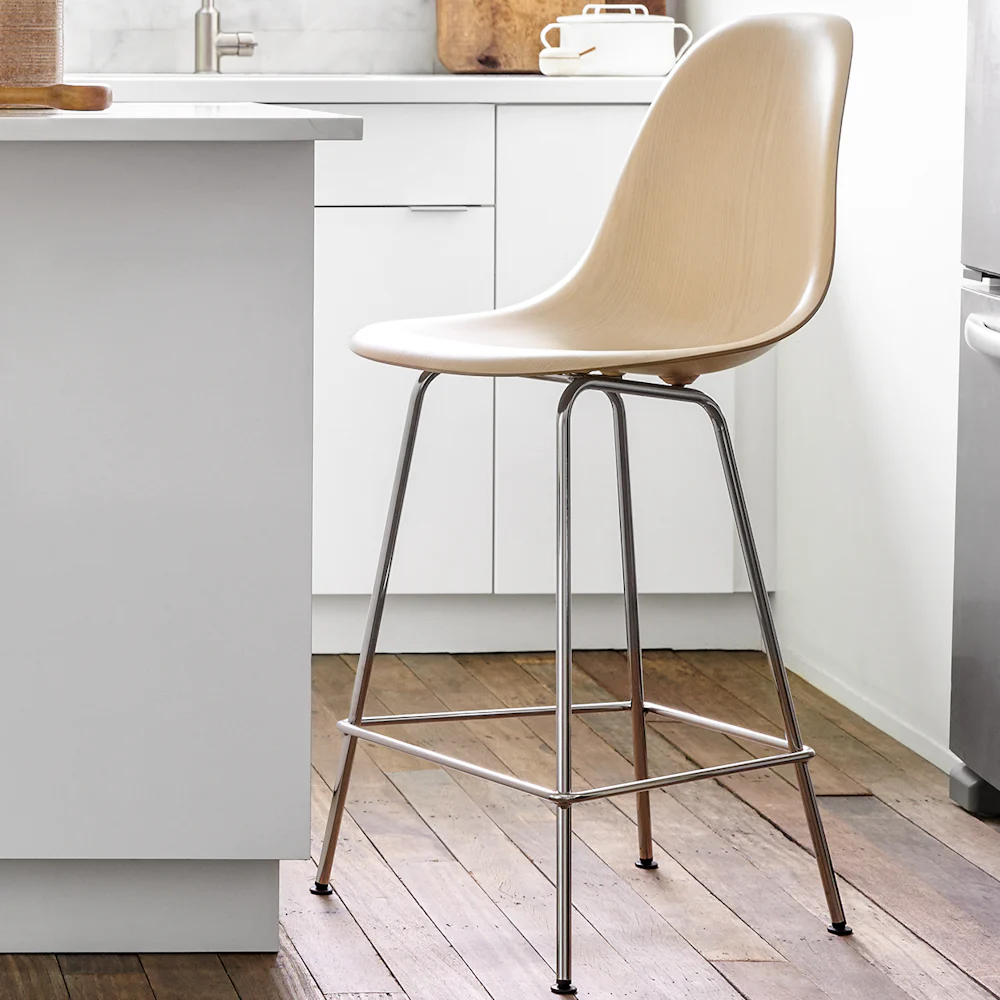
Herman Miller offers bar- and counter-height stools designed for standing-height desks, shared spaces, and gathering areas. Available with or without arms and a backrest, each stool features a fixed-height base and integrated footrest for elevated support.

How to Choose the Right Office Stool
Your workstation and work style will impact which of Herman Miller’s three office stool styles is best for you. A desk stool is the best choice for: standard-height or adjustable-height desks; collaborative office spaces; short-term work; salons and studios. A bar- or counter-height stool is ideal for: bar- or counter-height tables or desks; shared office spaces; creative workstations. An ergonomic drafting chair is optimal for: a wide range of desk heights, including sit-to-stand desks; drafting tables; long-term work; creative (and other) workstations. For elevated workspaces, seating generally falls into two categories: fixed-height stools and ergonomic office stools. Fixed-height stools are ideal for shorter periods of use and collaborative settings. Ergonomic office stools and drafting chairs offer greater adjustability and support as you work at standing-height desks, counters, and other elevated surfaces.
| Surface Height | Seat Height | |
|---|---|---|
| Counter Height | 34 to 36 inches | 24 to 27 inches |
| Bar Height | 40 to 42 inches | 28 to 33 inches |
Counter Height vs. Bar Height: Choosing the Right Stool
The right stool starts with understanding which stool height you need for your work surface height.
- Counter-height stools typically have seat heights between 24 and 27 inches and pair with surfaces measuring 34 to 36 inches high.
- Bar-height stools typically have seat heights between 28 and 33 inches and pair with surfaces measuring 40 to 42 inches high.
Ergonomic Office Stools
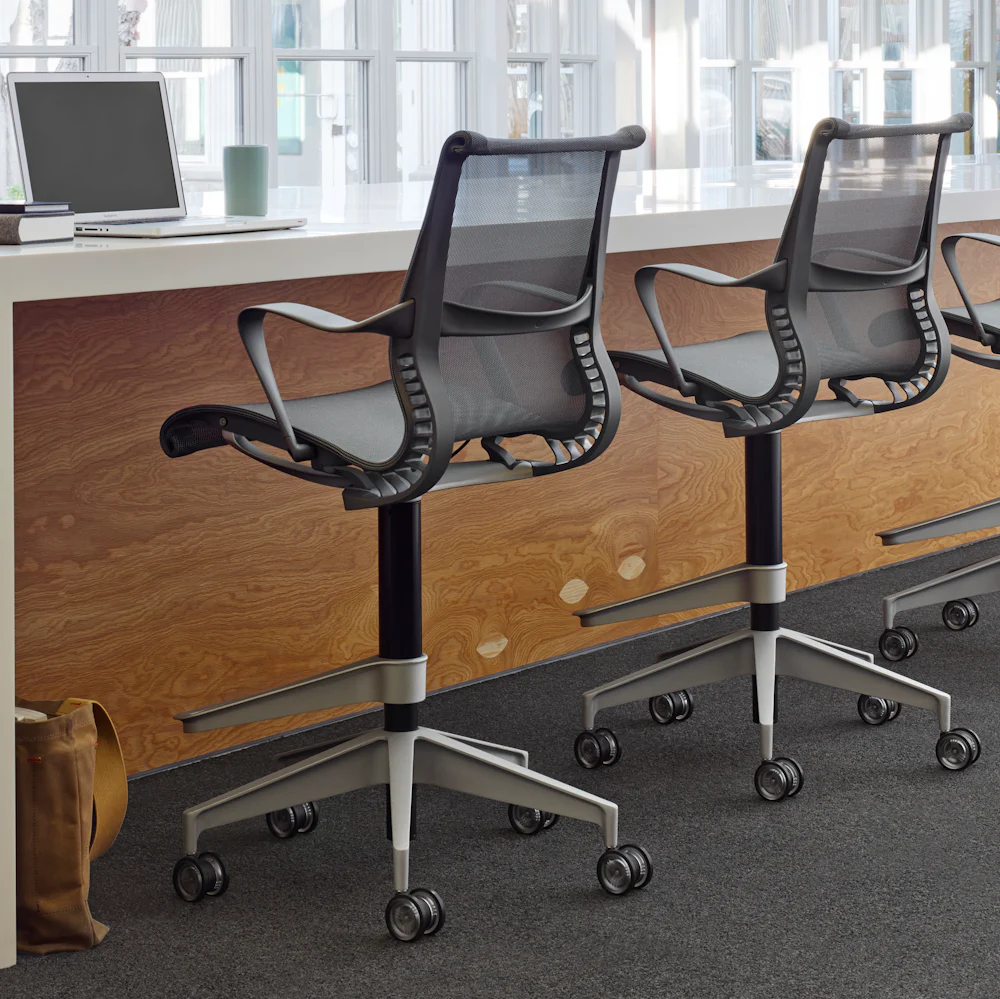
Designed to support healthy movement and sustained comfort, ergonomic office stools bring the performance of a task chair to seated work at elevated surfaces like standing-height desks, counters, and collaborative tables. Whereas fixed-height stools are intended for short-term use, ergonomic office stools are engineered to adapt to the body, helping you stay comfortable, supported, and engaged for longer durations.

What makes an office stool ergonomic? — Responsive back support, flexible materials, and intuitive adjustments that encourage movement while maintaining proper alignment.
Ergonomic office stools often include a recline that supports natural, balanced movement. That’s what allows your body to move freely and comfortably. A height-adjustable seat, along with an integrated footrest or footring, provides stability and support as you work at tall work surfaces. These features help relieve pressure on your legs, support a range of sitting positions, and promote comfort while working, collaborating, or focusing.
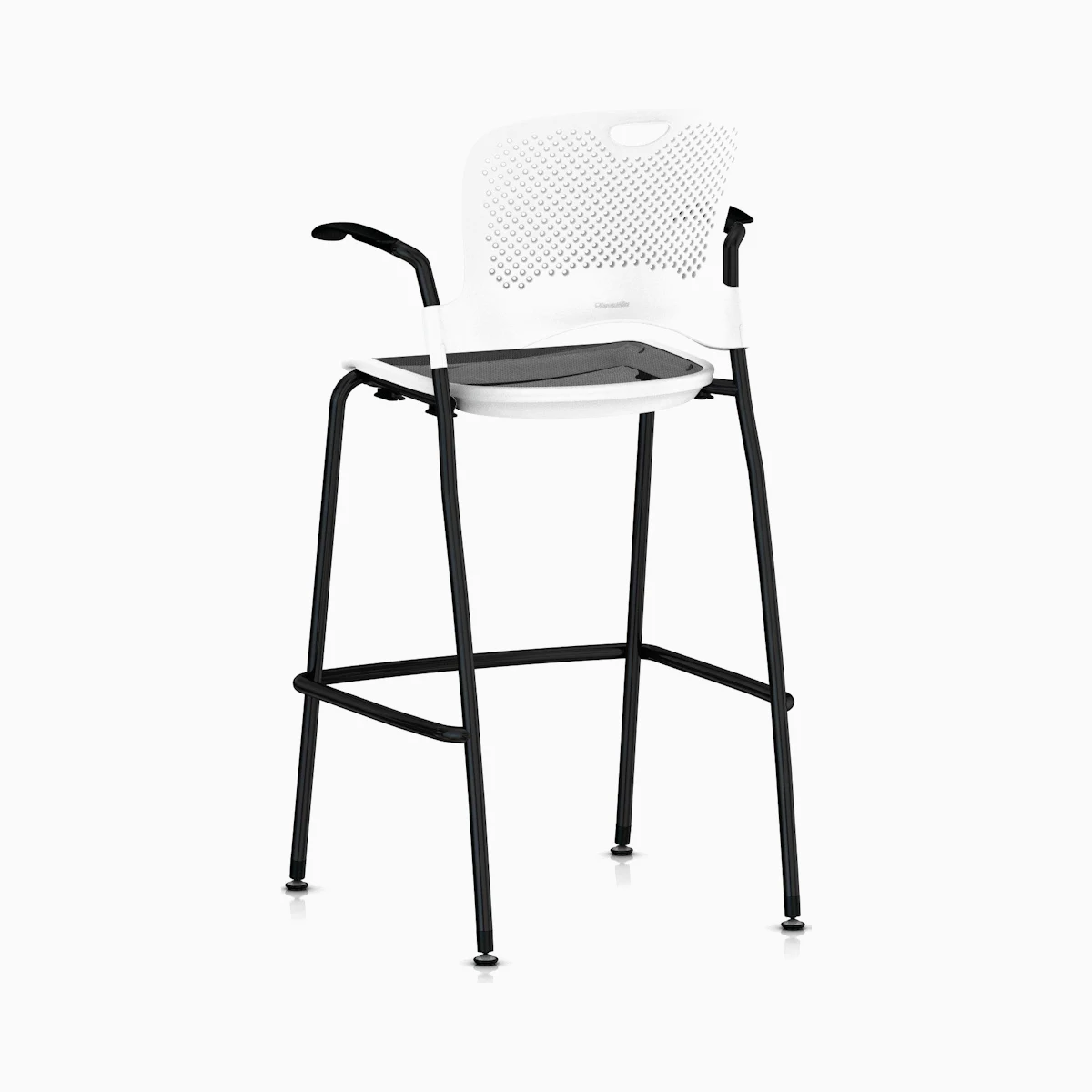
Our ergonomic office stools such as the Aeron Stool, Mirra 2 Stool, Sayl Stool, Setu Stool, Cosm Stool, and Caper Multipurpose Stool are designed to support dynamic sitting and a wide range of work styles. By combining industry-leading ergonomics, balanced movement, and elevated seating support, these stools help you move naturally, stay comfortable, and perform at your best throughout the day.
How to Choose the Right Office Stool
Choosing the right office stool starts with understanding how you work. Consider your work surface height, how long you typically sit, how often you move throughout the day, and the level of ergonomic support you need.
Fixed-height stools work well in cafés, kitchens, collaborative settings, and other spaces where people move frequently between sitting and standing and spend less than three hours at a time.
Ergonomic office stools are better for longer durations because they have the support and adjustability of a performance work chair. Height-adjustable designs adapt to a range of desk and table heights, including sit-to-stand workstations, and may include features such as back support, synchronized recline, footrings, and ergonomic adjustments that promote comfort throughout the day.