Eames Upholstered Molded Plastic Side Chair






Eames Upholstered Molded Plastic Side Chair

Easy returns
Not satisfied? Return items within 30 days. Learn more

Authenticity guaranteed
Original design from the source.

Design Services
Need help designing your space? Learn more about our complimentary interior design services
Warranty
5-year warranty
Terms and conditions apply. Learn more

Eames Upholstered Molded Plastic Side Chair
Details
- This is an authentic Herman Miller Eames Chair.
- A simple, beautiful, classic form that looks great in any setting.
- Made with 100% post-industrial recycled plastic.
- Comfortable waterfall seat edge reduces pressure on thighs.
- Brand
- Herman Miller
- Collection
- Eames Molded Plastic Collection
- General Dimensions
-
- 31¾" H 18¼" W 22¼" D
- Product Weight
- 13.25 lbs
- Assembly
- Comes fully assembled
- Warranty
-
5-year warranty
Terms and conditions apply. Learn more
- Lifestyle
-
- Eco-friendly
Dowel Base
- Height (in): 32¼
- Width (in): 18¼
- Depth (in): 20¾
- Seat Height (in): 17¾
- Weight (lbs): 15
4-Leg Base
- Height (in): 31¾
- Width (in): 18¼
- Depth (in): 21½
- Seat Height (in): 17¾
- Weight (lbs): 15
Wire Base
- Height (in): 31¾
- Width (in): 18¼
- Depth (in): 22¼
- Seat Height (in): 18½
- Weight (lbs): 13.25
- Weight Capacity (lbs): 300
- Injection-molded batch-dyed shell made with post-industrial recycled plastic
- Chromed steel, powder-coated steel, or wood dowel base
- Fabric seat upholstery
- Leveling floor glides
- Notification of Filling Contents
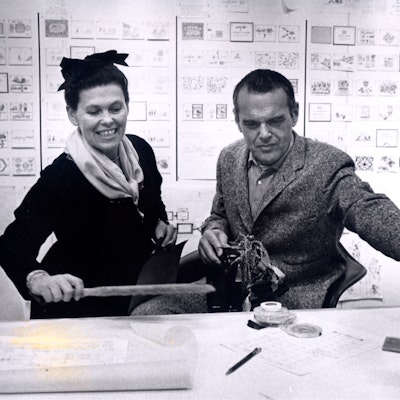
Charles and Ray Eames
Through their furniture, corporate projects, World’s Fair displays, and in the aesthetics of their own California Case Study home, the Eameses exemplified modern living in postwar America. The Eames Lounge and Ottoman, introduced by Herman Miller in 1956, remains a touchstone of American style.
More on Charles and Ray EamesWith regular care and maintenance, your Herman Miller product will provide many years of superior performance and satisfaction. To maintain quality, please follow the cleaning procedures outlined here.
The instructions for the care and maintenance of Herman Miller products are provided to you as a service. No warranty is implied since results may vary.
Care and Maintenance