Eames Hang-It-All











Eames Hang-It-All

Easy returns
Not satisfied? Return items within 30 days. Learn more

Authenticity guaranteed
Original design from the source.

Design Services
Need help designing your space? Learn more about our complimentary interior design services
Warranty
5-year warranty
Terms and conditions apply. Learn more

Eames Hang-It-All
Details
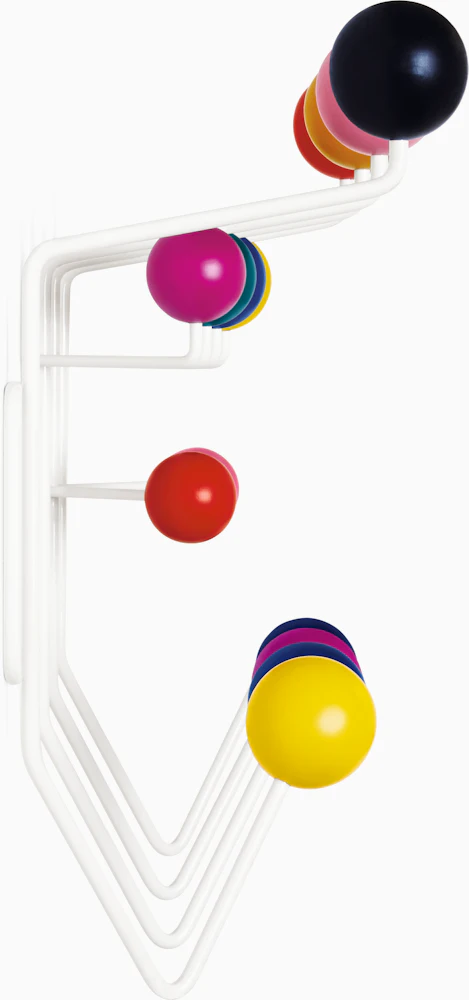
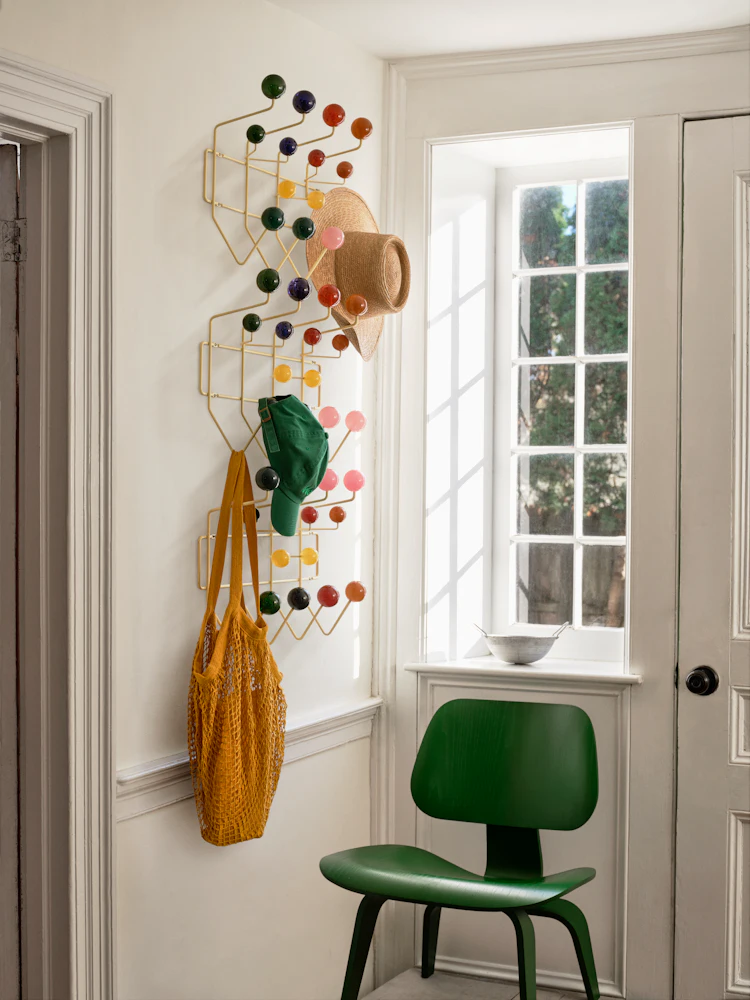
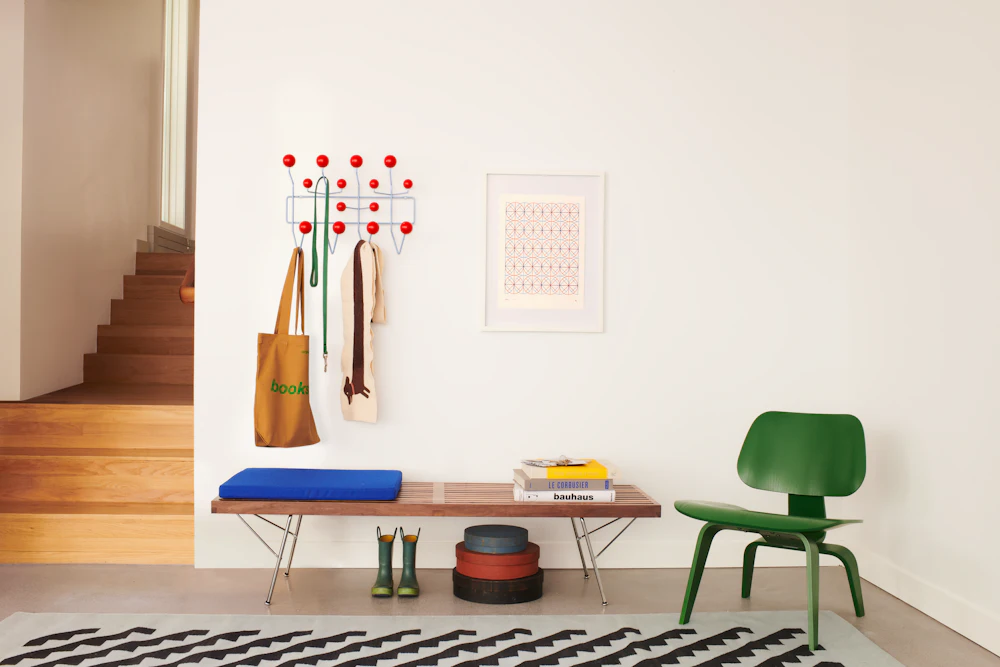
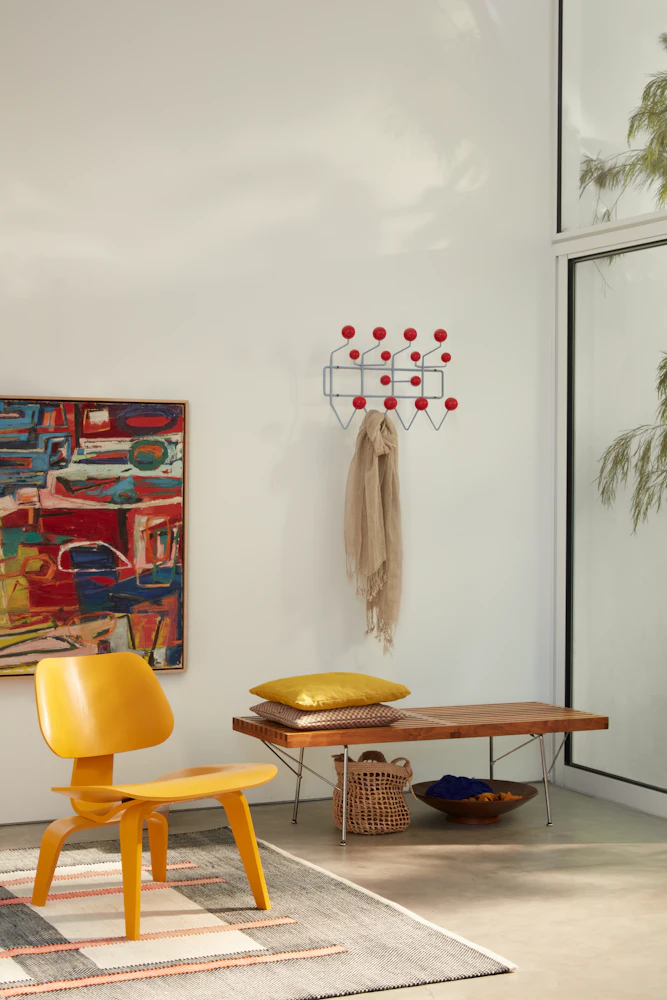
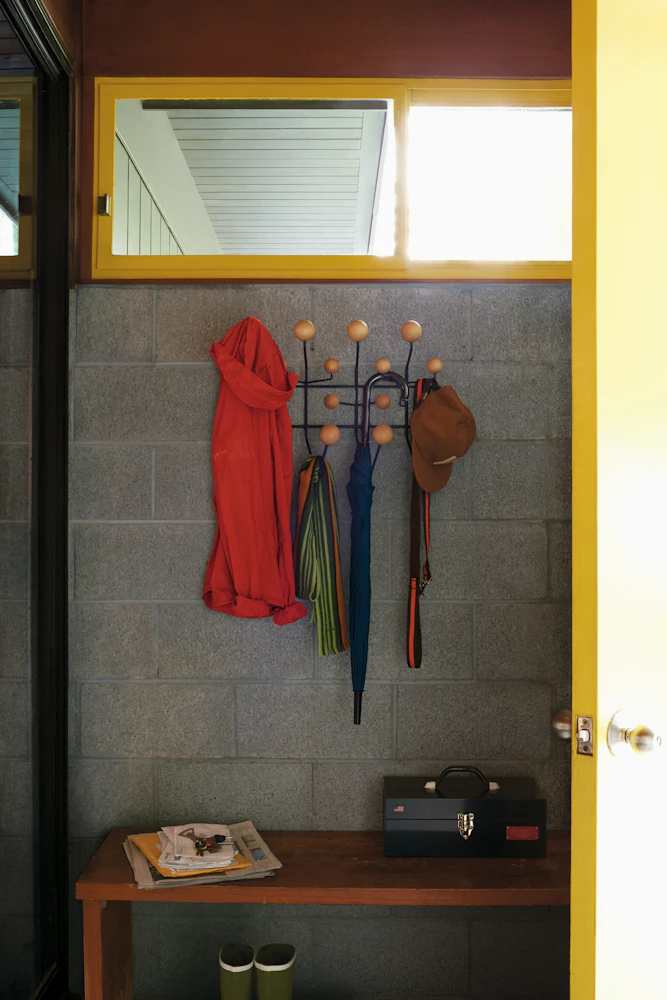
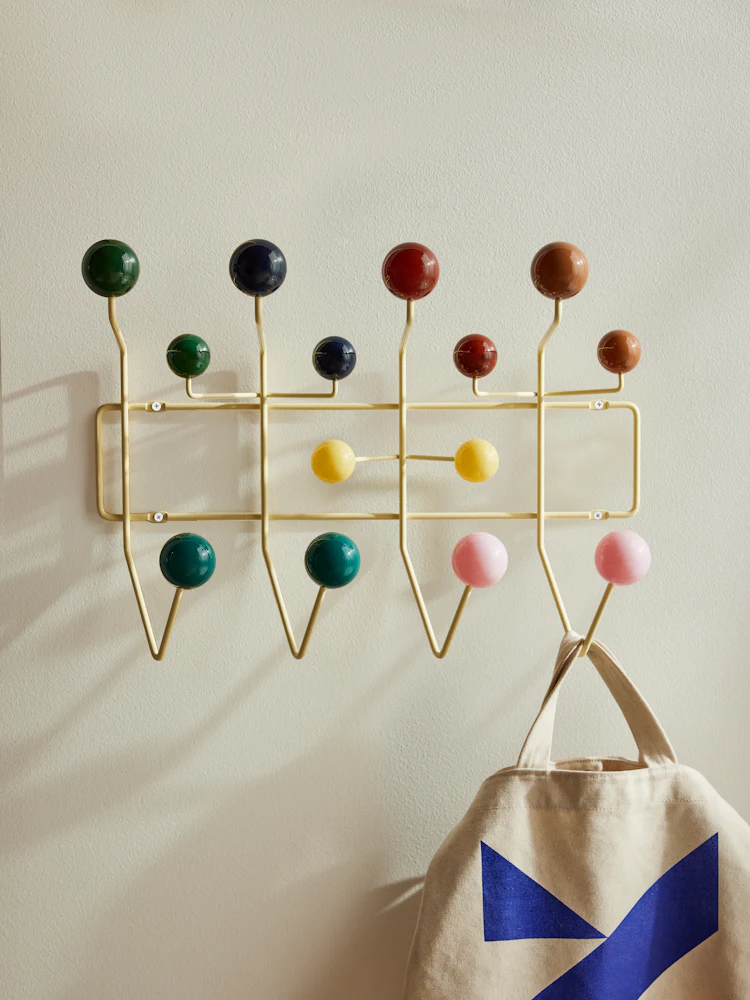
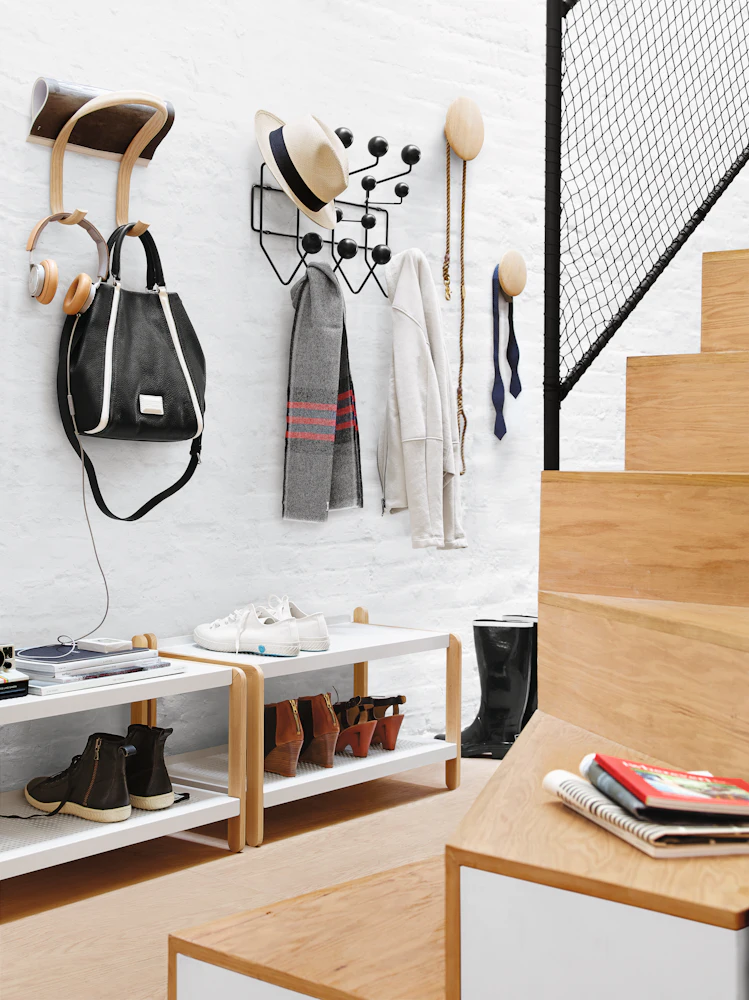
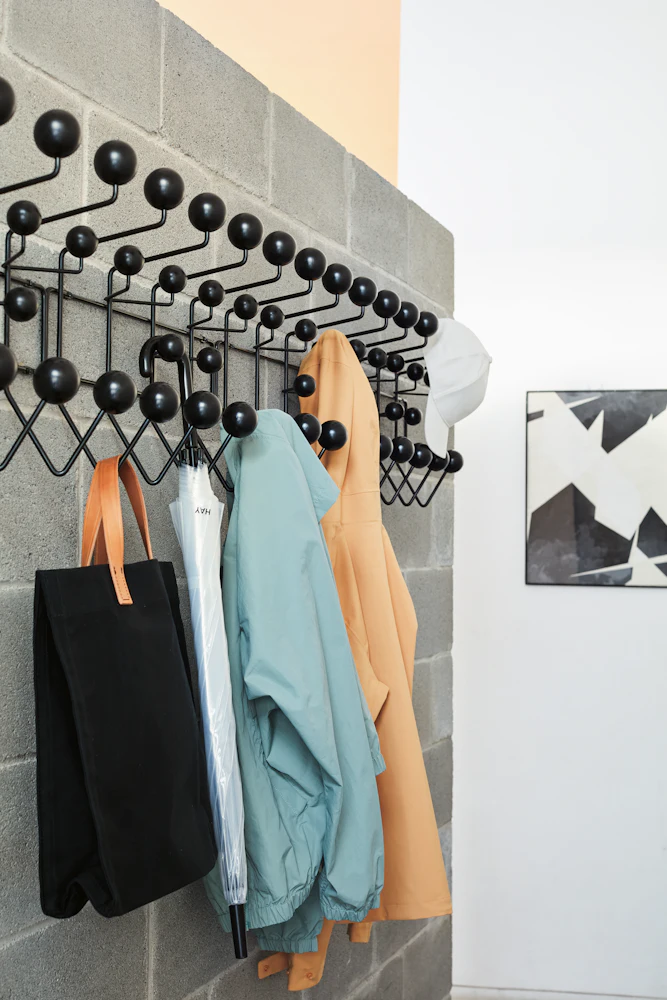
- Fun and functional solution for bedrooms, offices, entryways and more.
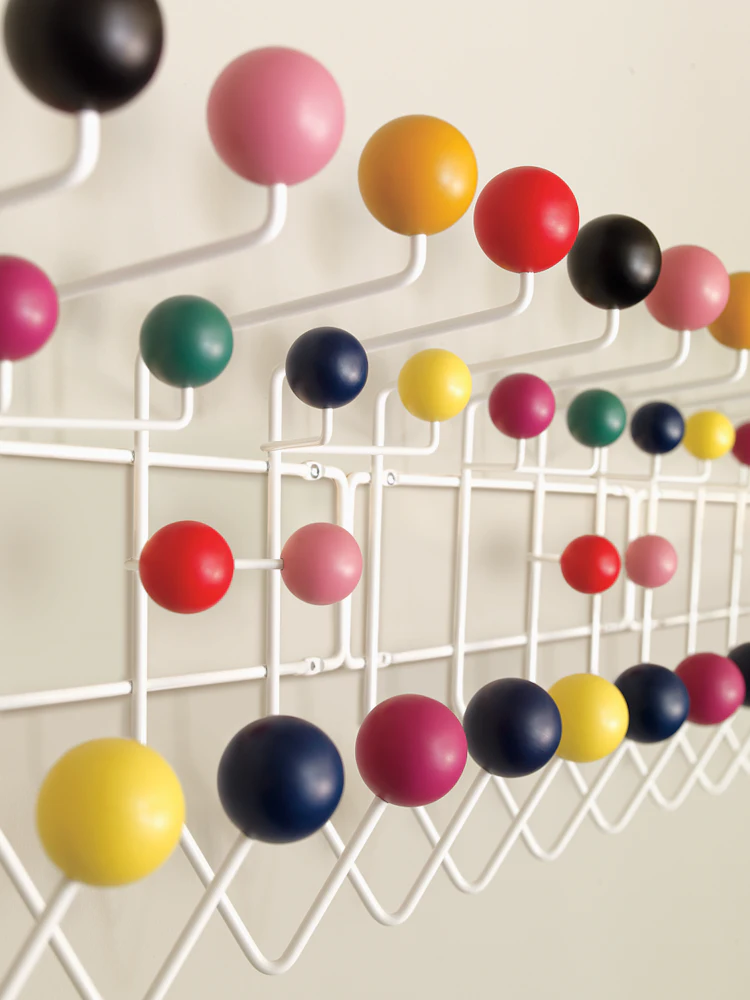
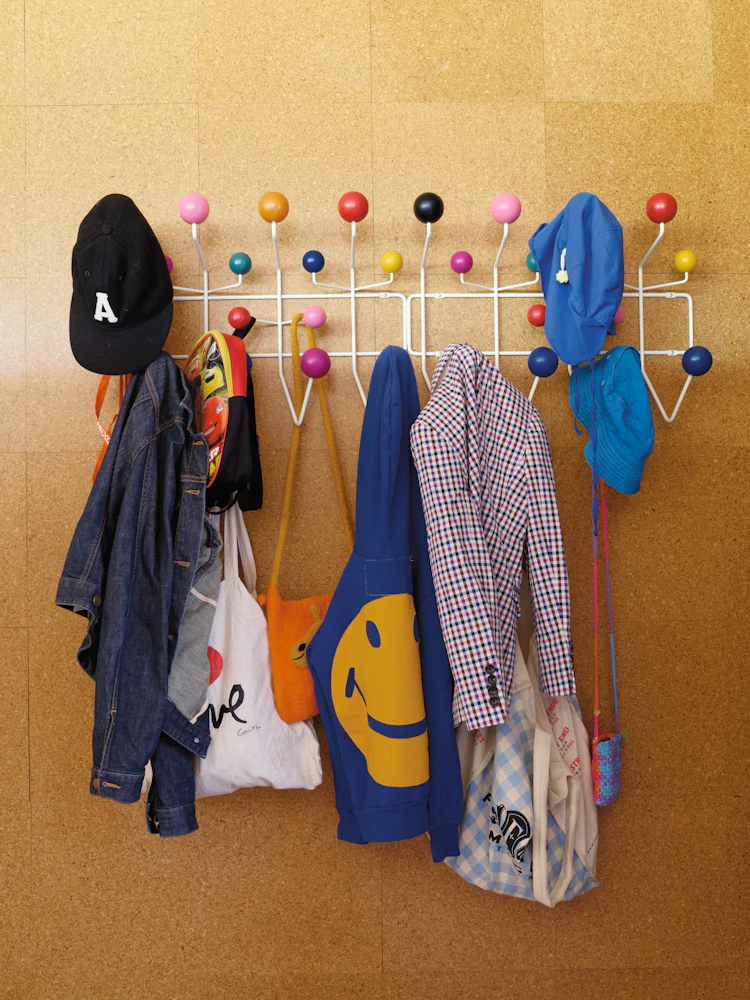
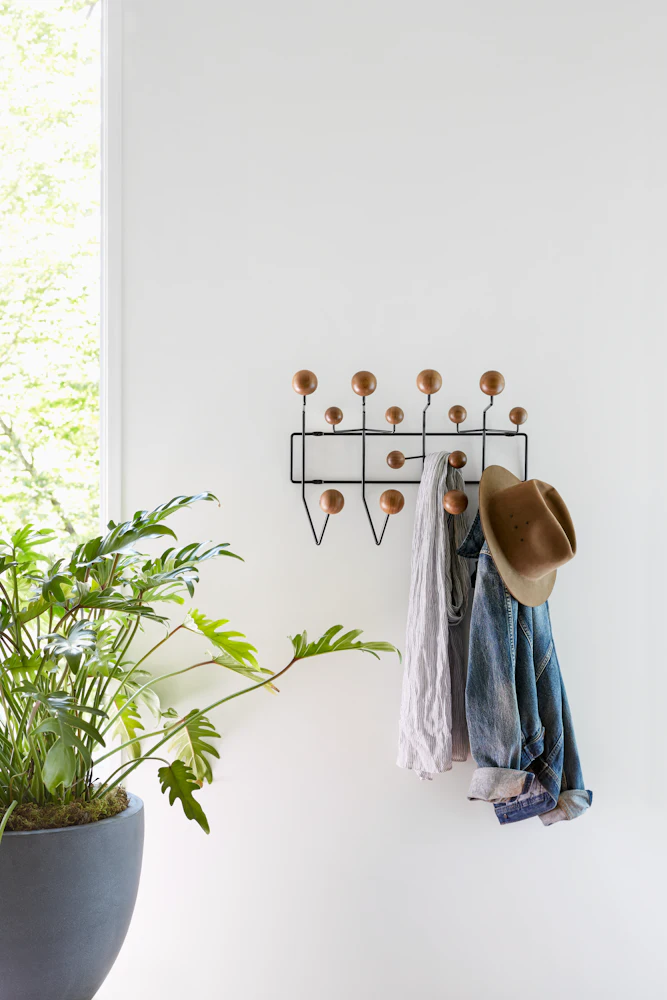
- Includes eight large and six small hooks.
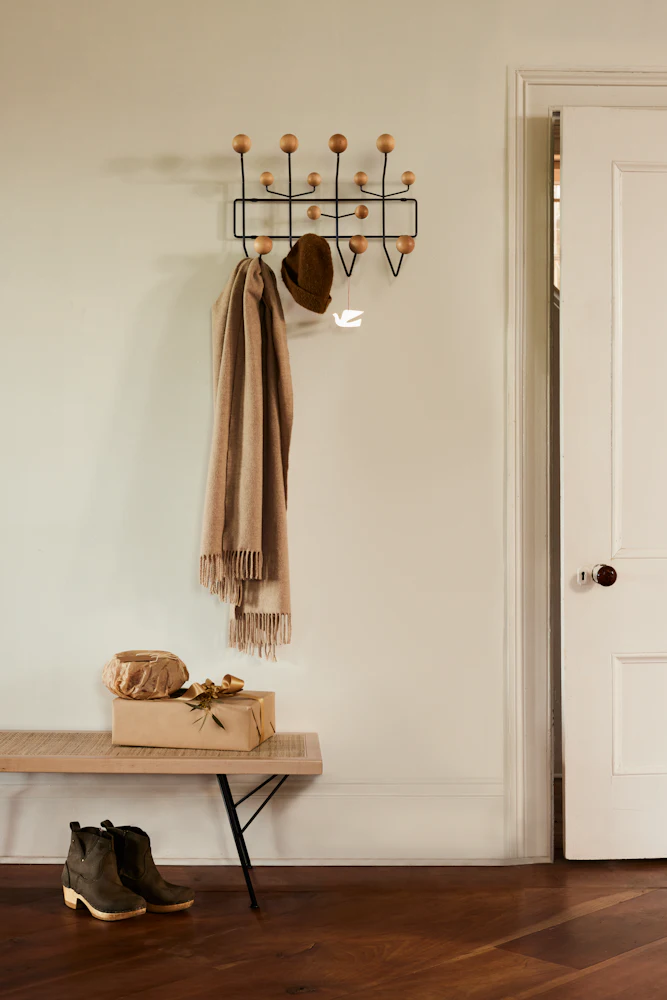
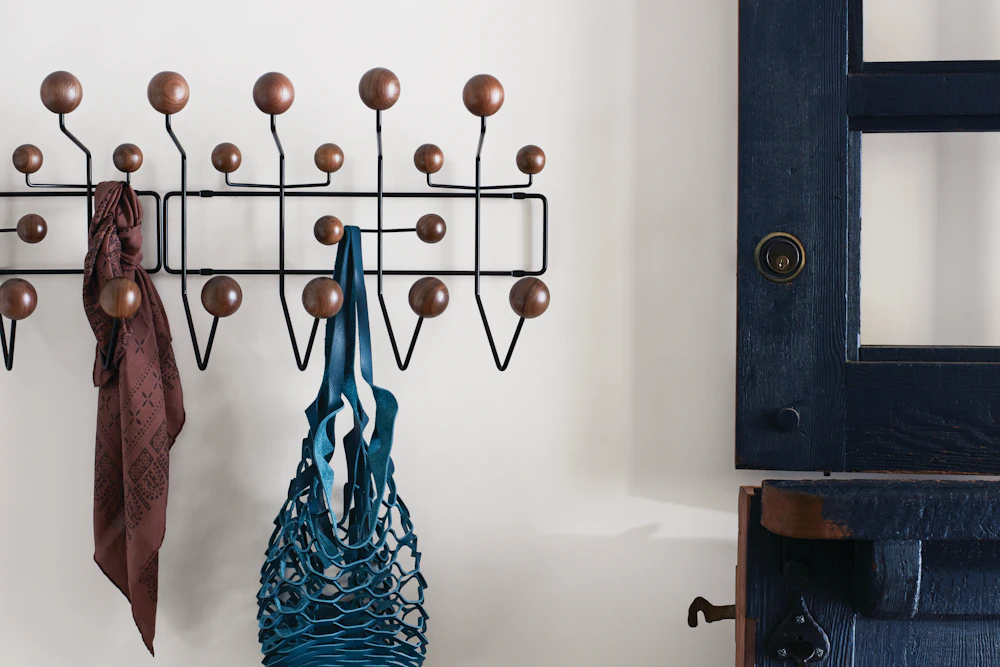
- Steel rod frame with a white or black powder-coated finish.
- Choice of solid walnut, solid maple, painted solid-maple, or cast-glass balls.
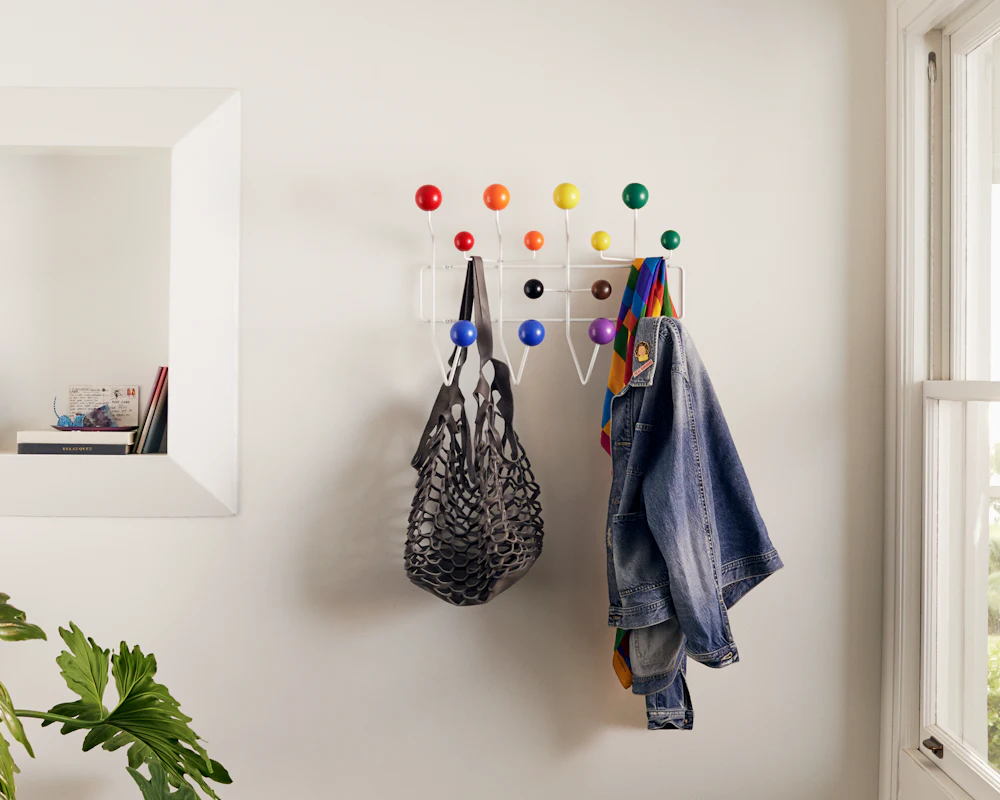
- Available in multiple color combinations, from bold to mellow.
- Brand
- Herman Miller
- General Dimensions
-
- 14⅝" H 19¾" W 6⅜" D
- Product Weight
- 2.25 lbs
- Assembly
- Comes fully assembled
- Warranty
-
5-year warranty
Terms and conditions apply. Learn more
Eames Hang-It-All
- Height (in): 14⅝
- Width (in): 19¾
- Depth (in): 6⅜
- Weight (lbs): 2.25
- Weight Capacity (lbs): 50
- Steel rod frame with powder-coated finish
- Choice of solid walnut, solid maple, painted solid-maple, or cast-glass balls.
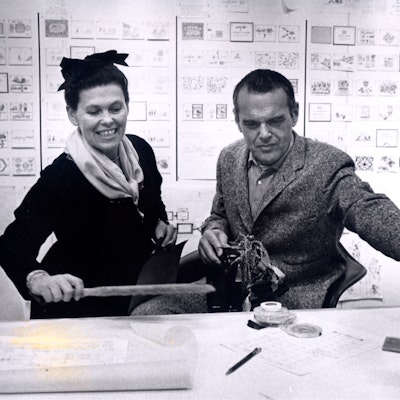
Charles and Ray Eames
Through their furniture, corporate projects, World’s Fair displays, and in the aesthetics of their own California Case Study home, the Eameses exemplified modern living in postwar America. The Eames Lounge and Ottoman, introduced by Herman Miller in 1956, remains a touchstone of American style.
More on Charles and Ray EamesWith regular care and maintenance, your Herman Miller product will provide many years of superior performance and satisfaction. To maintain quality, please follow the cleaning procedures outlined here.
The instructions for the care and maintenance of Herman Miller products are provided to you as a service. No warranty is implied since results may vary.
Care and Maintenance

A fresh coat
Tracing back to her early career as a painter, Ray Eames left a significant mark on Herman Miller's visual palette, and her choices for bold, modern color are often mentioned in her lasting influences on 20th century design. Based on one of Ray's original sketches, this blue-and-red redux of the famous Hang-It-All offers a new look at her spirited legacy.
Frequently Asked Questions
Authentic Eames Hang-It-All units sold through Herman Miller include specific identifiers. Each piece carries the manufacturer SKU HIAMLC91 and item number 104319. The product bears Herman Miller branding and comes with documentation confirming its authenticity.
Original Herman Miller pieces feature precise welding at all connection points and consistent powder-coating application. The solid wood balls exhibit quality craftsmanship with smooth finishes and secure attachment. Reproductions often show inferior welding, uneven coating, or poorly finished wood components.
Herman Miller provides the necessary mounting hardware with each Eames Hang-It-All purchase. For optimal stability, mount the unit into wall studs or use appropriate wall anchors rated for the combined weight of the rack and its intended load.
The Eames Hang-It-All supports a maximum weight capacity of 50 pounds distributed across its fourteen hooks.
The Eames Hang-It-All’s welded steel rod construction provides structural stability, while the powder-coated finish resists scratching and chipping under normal use. The 50-pound weight capacity accommodates multiple coats, bags, and accessories without compromising the frame. The solid wood or glass balls are securely attached to the steel hooks. Proper installation on wall studs or with appropriate anchors ensures the rack remains stable during daily use.
Charles and Ray Eames designed the Eames Hang-It-All for Herman Miller in 1953. This piece emerged during the same period as many of their most celebrated works, including the molded plywood chairs and wire furniture collection. This coat rack applies the same material experimentation and manufacturing techniques to a humble household object, elevating storage into sculptural form.
The Eames Hang-It-All’s versatility means its uses are limited by your imagination. Craft rooms use the hooks to organize ribbon spools, scissors, measuring tapes, and project bags, keeping supplies visible and accessible. Plant lovers hang lightweight potted plants in macramé holders, creating vertical gardens in small spaces.
Photographers and creatives hang camera bags, light meters, or portfolio cases. Musicians use it for guitar straps, headphones, or cable organizers. The nursery Eames Hang-It-All accommodates bibs, pacifier clips, small toys, or baby carriers. Pet owners use it to hang leashes, collars, grooming brushes, or small pet accessories.
The Eames Hang-It-All also functions as pure decoration. Some collectors display vintage handbags, statement jewelry, or colorful scarves as rotating art installations. The piece's sculptural quality, with its radiating composition and bright accents, makes it a focal point even when not actively storing items.
Charles and Ray Eames designed the Eames Hang-It-All in 1953 using an innovative wire-welding technique they had previously developed for their low tables and wire chairs. This manufacturing method allowed them to create a sturdy steel rod frame by simultaneously welding multiple wires together, a technical achievement that gave the piece both structural integrity and visual lightness. The original version featured a white powder-coated frame paired with multicolored hooks, reflecting Ray Eames' bold approach to color.