Leather Office Chairs: Comfort, Craft, and How to Choose the Right One
Published:January 2026
A leather office chair can do two jobs at once: elevate the room and support the way you work. The trick is choosing one that's built for real-life sitting, allowing you to take quick video calls and spend long afternoons at your desk without turning into a warm, squeaky "boardroom prop." The best leather office chairs are beautiful and useful, designed to support how you move, sit, and focus day after day. Use this guide to help you narrow down options, understand materials, and feel confident picking a chair that fits your body and your space.
Shop Leather Office Chairs
Quick Answers About Leather Office Chairs
- Best for: Design-forward home offices and client-facing spaces where you want both aesthetic polish and daily comfort.
- Biggest trade-off: Leather can run warmer than mesh, so make a plan for the room's airflow if you run hot.
- Comfort priorities: Focus on fit and adjustability first (particularly seat height, seat depth, recline/tilt, arms, and back support), then think about upholstery.
- Best leather option: Top-grain (full-grain or corrected-grain) leather with clear specs. Be cautious with bonded or vague "leather" labels.
Why Choose a Leather Office Chair?
Leather isn't just a "luxury" finish; In a well-made chair, leather can offer a smooth, durable surface feel with a solid support system underneath.
- Comfort and feel: Leather tends to feel smooth and supportive, and it's easy to shift positions without snagging on the upholstery.
- Design impact: A leather chair reads as intentional, making a desk setup feel like part of your home rather than a temporary work corner.
- Longevity: Quality leather can age gracefully and develop character instead of simply looking worn out.
The honest drawbacks: Leather can hold heat, and lower-quality leather (or "leather-like" materials) can crack or peel. If you run warm, pay attention to seat design and airflow in the room.
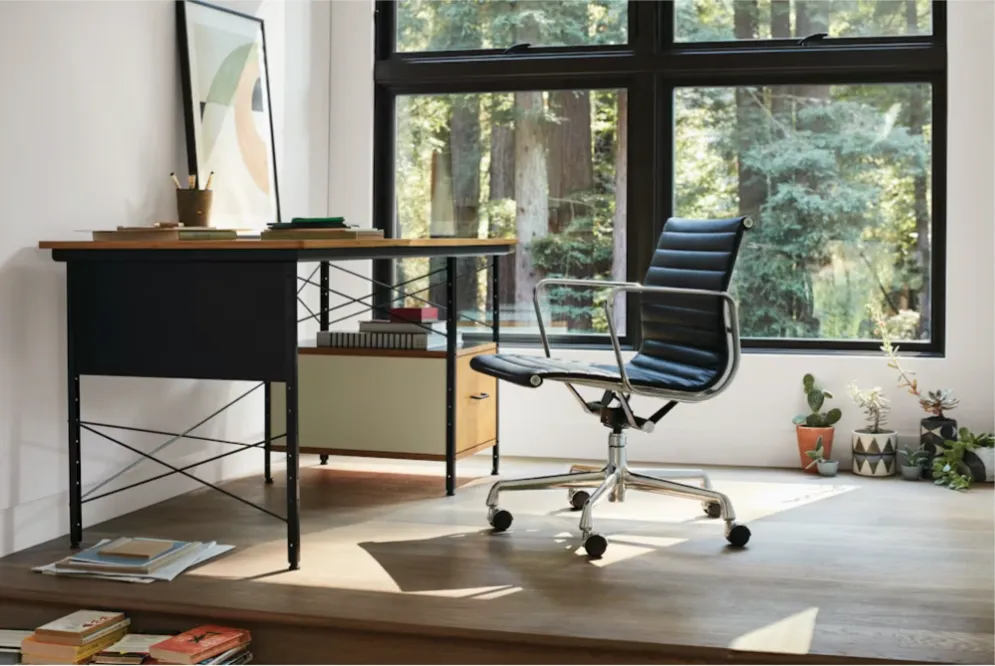
"Genuine," "Bonded," "Top-Grain": What Leather Labels Really Mean
A practical shopping rule: Buy the most detailed leather description you can find.
Top-grain leather: Top-grain comes from the outer layer of the hide and is common in premium furniture. Within the top-grain leather category, there is:
- Full-grain leather, which has a more natural surface character
- Corrected-grain leather, which is refined for a more uniform finish (and is often more forgiving with day-to-day marks)
"Genuine leather": While this description can be legitimate, it doesn't tell you which cut of leather you're getting or how it's finished. Treat it as a prompt to look for more detail.
Bonded/reconstituted leather: Approach leather described this way with caution. Made from leather scraps and binders, bonded or reconstituted leather can look great at first, but is typically less durable long-term than top-grain.
The Ergonomic Checklist That Matters More Than the Upholstery
OSHA's chair guidance is refreshingly direct: Your chair should support the natural curve of your spine, allow your feet to rest flat (or on a footrest), and be adjustable so it works with your desk and monitor setup.
Start with these features:
- Seat height: The big non-negotiable, your seat height should be such that your feet are flat on the ground, your knees are comfortable, and your thighs are supported without putting pressure on your knees.
- Seat depth: The most overlooked comfort lever, seat depth affects whether you can actually use a chair's backrest.
- Back support and recline/tilt: A chair that locks you upright can feel "supportive" for ten minutes and tiring by hour four. Look for recline/tilt that encourages micro-movement.
- Arm adjustments: A chair's armrests should support your forearms without lifting your shoulders. If your shoulders creep up, the armrests are likely too high and should be adjusted until your shoulders stay relaxed.
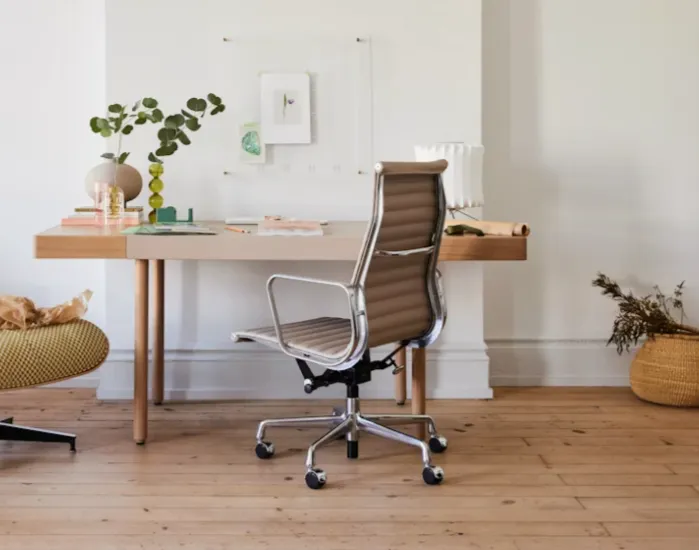
What's Inside Matters: Foam, Frame, and the "Feel" After a Year
A leather office chair can look perfect and still disappoint if what's underneath isn't built to last. When you're comparing options, look for:
- Supportive padding (not just softness): High-quality foam should feel resilient, not mushy. When a chair's foam fails, pressure points show up fast and make it incredibly uncomfortable.
- A solid frame and smooth mechanism: Leather chairs often get used like lounge chairs—leaning back, shifting, swiveling. A well-built base and tilt mechanism keeps that movement quiet and stable.
- Serviceability: Parts and upholstery don't last forever. Chairs that have clear warranty terms and a path to service are easier to own long-term.
Why Premium Leather Chairs Cost More (and What You're Paying For)
High-quality leather is only one part of the price. Why leather office chairs cost more usually comes down to:
- Stronger frames and better hardware
- Comfort engineering (tilt mechanisms and support structures that hold up)
- Foam/padding that doesn't collapse quickly
- Clearer warranty and service support
Translation: A great leather chair should feel good on day one—and still feel good after year one.
Comparing Herman Miller Leather Office Chair Styles
| Feature | Chair Style | Best For |
|---|---|---|
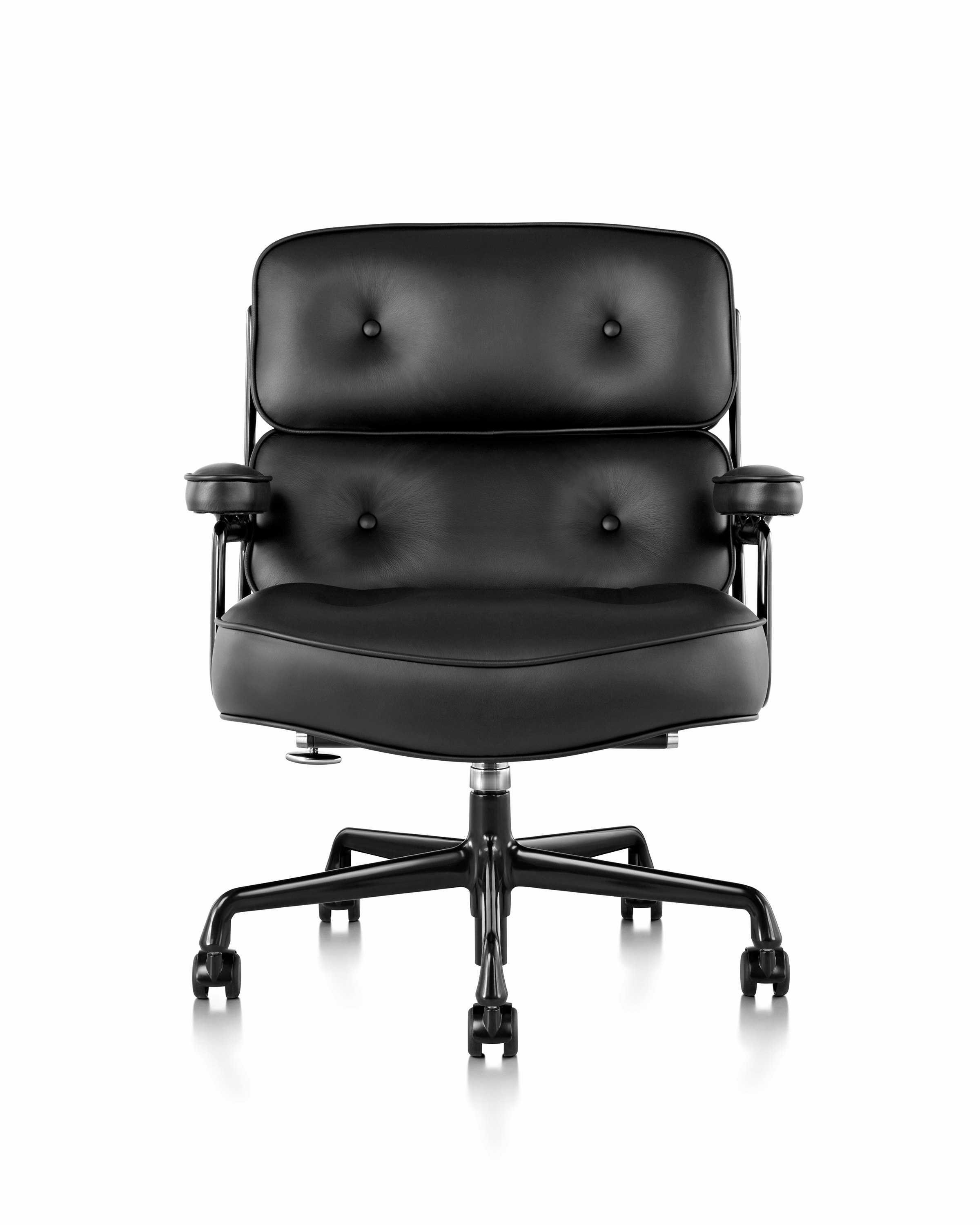
| Eames Executive Chair | The statement executive | Dedicated offices. Gives an executive presence with generous sizing and plush comfort. |
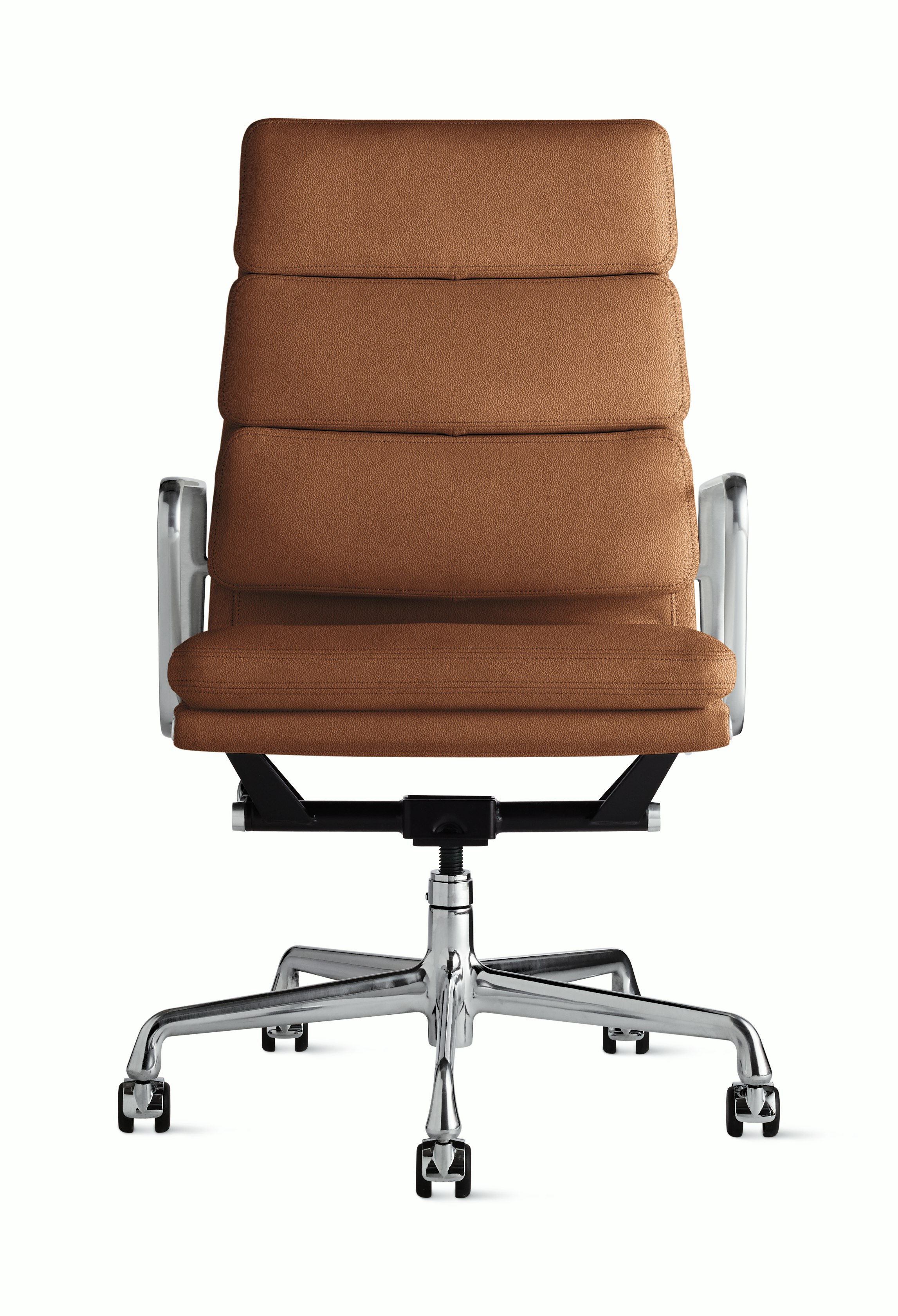
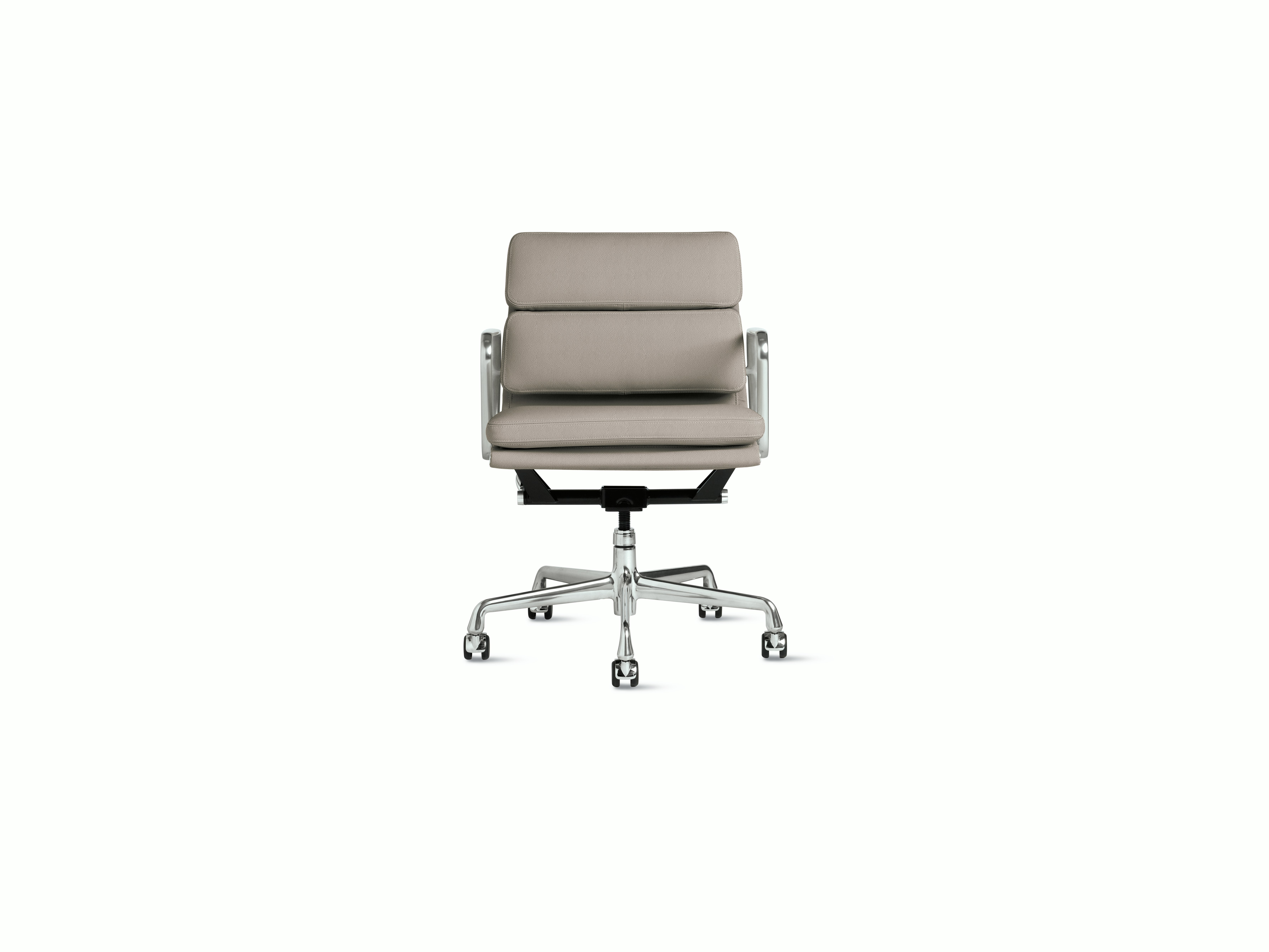
| Eames Soft Pad Chair | Cushioned, tailored comfort | Long calls and mixed-task days. Has a polished look with a softer feel. |
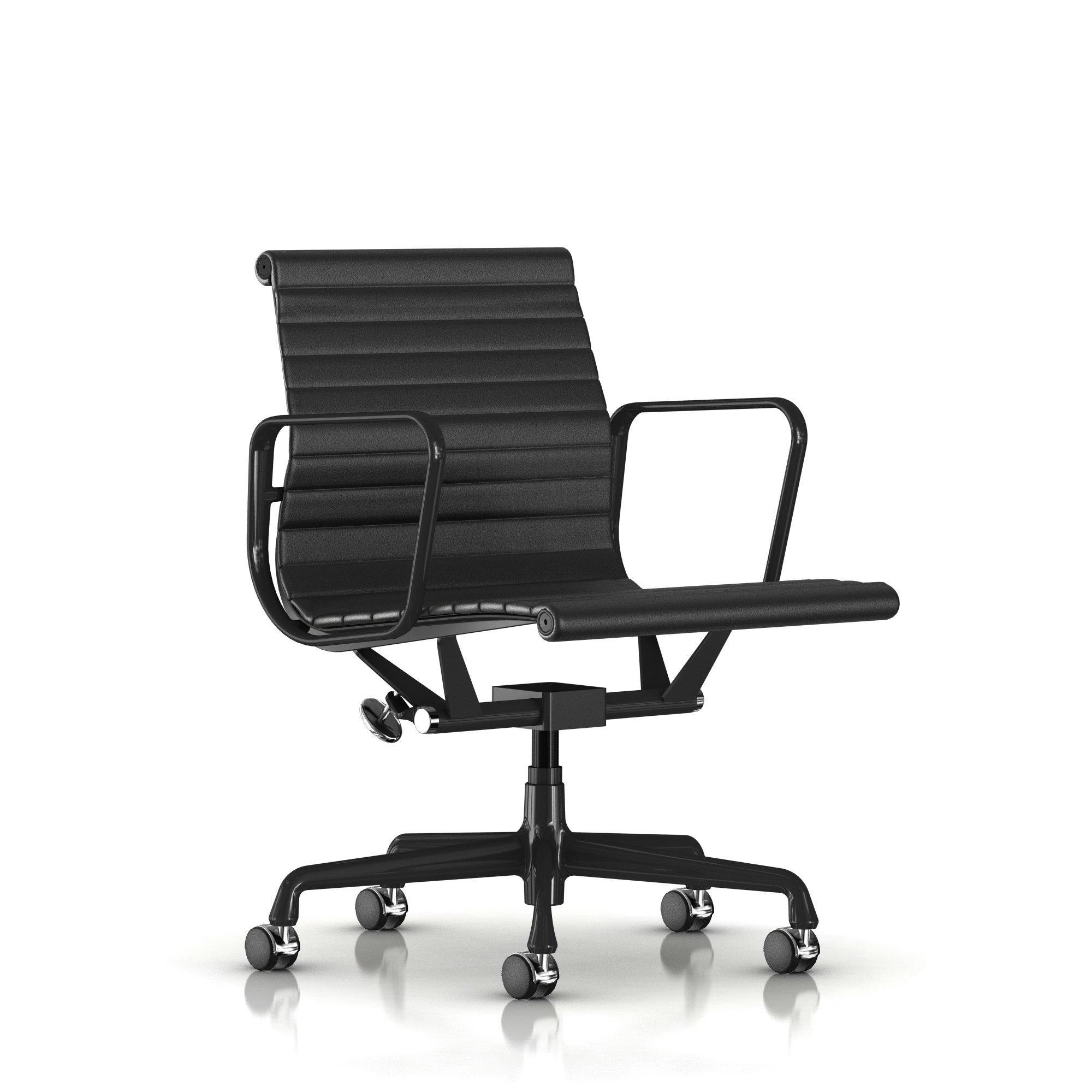
| Eames Aluminum Group Chair | Sleek and supportive | Modern spaces. Has a lighter visual mass and a crisp clean-lined aesthetic. |
| Taper Chair | Modern executive with crafted vibe | Contemporary interiors. Provides a refined executive silhouette. |
Feature
Eames Executive Chair
Chair Style
The statement executive
Best For
Dedicated offices. Gives an executive presence with generous sizing and plush comfort.
Feature
Eames Soft Pad Chair
Chair Style
Cushioned, tailored comfort
Best For
Long calls and mixed-task days. Has a polished look with a softer feel.
Feature
Eames Aluminum Group Chair
Chair Style
Sleek and supportive
Best For
Modern spaces. Has a lighter visual mass and a crisp clean-lined aesthetic.
Feature
Taper Chair
Chair Style
Modern executive with crafted vibe
Best For
Contemporary interiors. Provides a refined executive silhouette.
Maintenance: How to Prevent Cracking, Peeling, and Premature Wear
Leather office chair care is mostly about consistency and avoiding extremes.
Do:
- Wipe down the chair regularly so oils and grit don't build up.
- Blot spills quickly and clean gently.
- Keep the chair out of direct sun when possible.
Don't:
- Use harsh cleaners, alcohol-based sprays, or abrasive cloths.
- Let spills sit.
Common complaints with leather office chairs usually trace back to one of three things: heat retention, low-quality materials that peel, or internal cushioning that compresses too quickly. When shopping for a new leather chair, look for clear leather specs and a support system built for long-term use.
Real Buying Scenarios: Budget Concerns, Tall Users, Pets, and Back Pain
"I want a leather office chair under $300."
At that price, you're usually looking at bonded leather or PU "leather-like" upholstery. If longevity matters, consider buying a used leather chair (and inspecting it carefully) or saving for a chair with clearer materials and stronger support.
"I'm over 6 feet tall. What should I look for?"
Focus on seat height range, back height for your torso, and seat depth that supports longer thighs without cutting circulation.
"I have lower back pain. What matters most?"
Fit and adjustable support. Seat depth is especially important so you can sit back and allow the backrest to do its job.
"I have pets. How do I keep my leather office chair from looking worn?"
Choose a more forgiving finish and keep the chair out of scratch-heavy traffic lanes.
Choose the Chair That Fits Your Body and Your Space
A great leather office chair should look intentional and support you for the long run. Start with fit and adjustability, confirm the leather details, then choose the silhouette that feels right in your space. Need help narrowing it down? Take the Chair Selector Quiz, then shop your top leather-forward picks today.
Leather Office Chair FAQs
It can work in the short term, but it's generally less durable than top-grain. If you want a chair that ages well, prioritize top-grain with clear specs.
Often, yes. If you run warm, look for a less enveloping cushion style and keep the room cool. Mesh is still the best upholstery choice for maximum airflow.
With quality leather, solid construction, and regular care, it can last for years—and often looks better with time.
Cracking at stress points (seat edge, arms), uneven sagging, wobble in the base or tilt mechanism, and any sticky "top coat" deterioration.